Over 3,064,780 active members

U.S. Marine Corps•1 members
Relive and share the memories of your service-time with your brothers and sisters in arms today. VetFriends.com can help you reconnect.
Did you proudly serve in the Marine Barracks Lake Meade Base, Nevada?
Are you looking for someone who is or was in the Marine Barracks Lake Meade Base, Nevada?
Do you have Marine Barracks Lake Meade Base, Nevada photos you'd like to share?
Then join a community with your brothers and sisters of the Marine Barracks Lake Meade Base, Nevada.
Branch
U.S. Marine Corps
Members
1
Marine Barracks Lake Meade Base, Nevada, was established during World War II as a strategic inland facility to support the defense and training needs of the U.S. Marine Corps. Located near the vital resources of Lake Mead, the base served primarily as a training and logistical hub, providing desert warfare preparation and amphibious operations exercises due to its unique terrain and proximity to water. Throughout its operational years, the barracks played a pivotal role in preparing Marines for deployment to the Pacific Theater, enhancing their adaptability to harsh environments. After the war, the base's role diminished, and it was eventually decommissioned, but its legacy lives on in the Marines who trained there and contributed to Allied victory.

U.S. Marine Corps
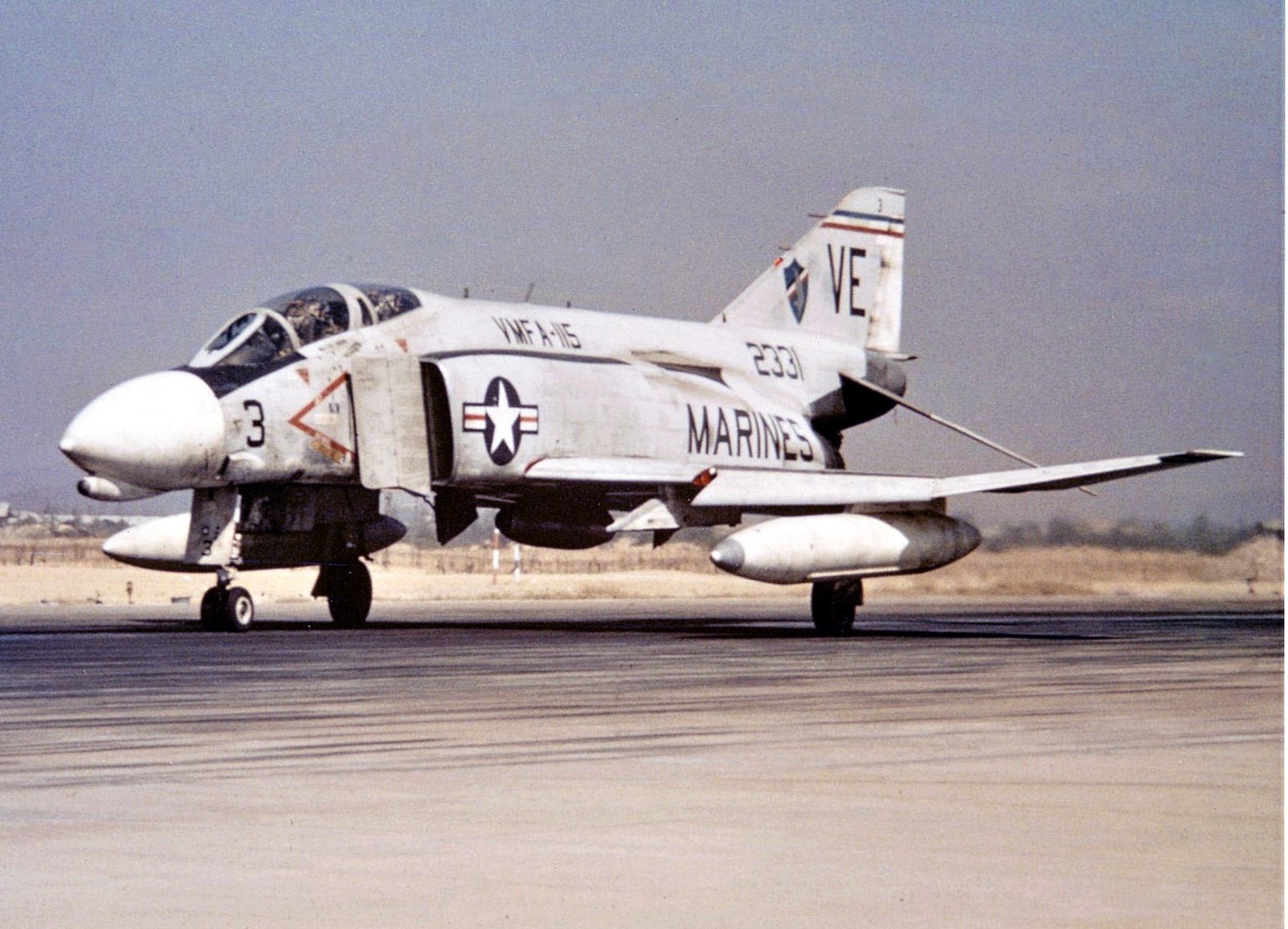
VMFA-115 • U.S. Marine Corps • 1970
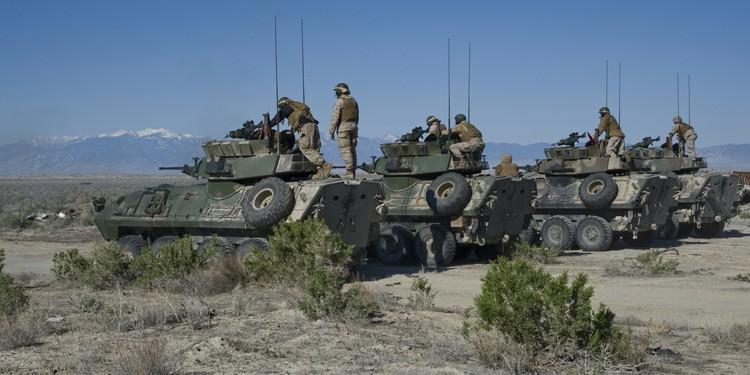
U.S. Marine Corps • 1976
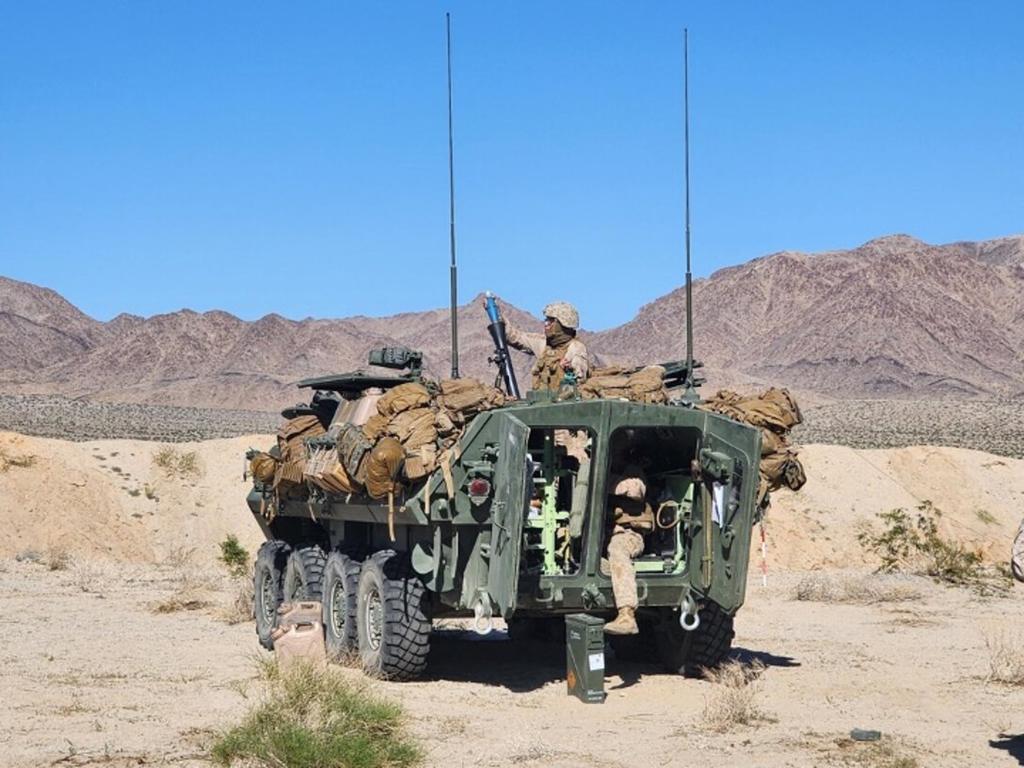
U.S. Marine Corps • 1976
