
Opening branch overview
Building the branch home surface
Loading branch highlights, featured unit context, and gallery moments.
Overview
Members
Units
Building the branch home surface
Loading branch highlights, featured unit context, and gallery moments.
Building the branch units surface
Loading unit filters, rankings, and the branch unit grid.

37 members•1 unit
Relive and share the memories of your service-time with your brothers and sisters in arms today. VetFriends.com can help you reconnect.
Did you proudly serve in the ARPAC Larson barracks?
Are you looking for someone who is or was in the ARPAC Larson barracks?
Do you have ARPAC Larson barracks photos you'd like to share?
Then join a community with your brothers and sisters of the ARPAC Larson barracks.
Branch
U.S. Army
Members
37
ARPAC Larson Barracks, located in Kitzingen, Germany, was a key installation for the United States Army in Europe during the Cold War era. Originally established by the German military, it was taken over by U.S. forces after World War II and named after Private First Class James D. Larson, a Medal of Honor recipient. The barracks served as a base for various units, including elements of the 3rd Infantry Division and Army Personnel Center (ARPAC), supporting NATO operations and European defense. Larson Barracks remained active until its closure in 2007, after which the site was returned to the German government.
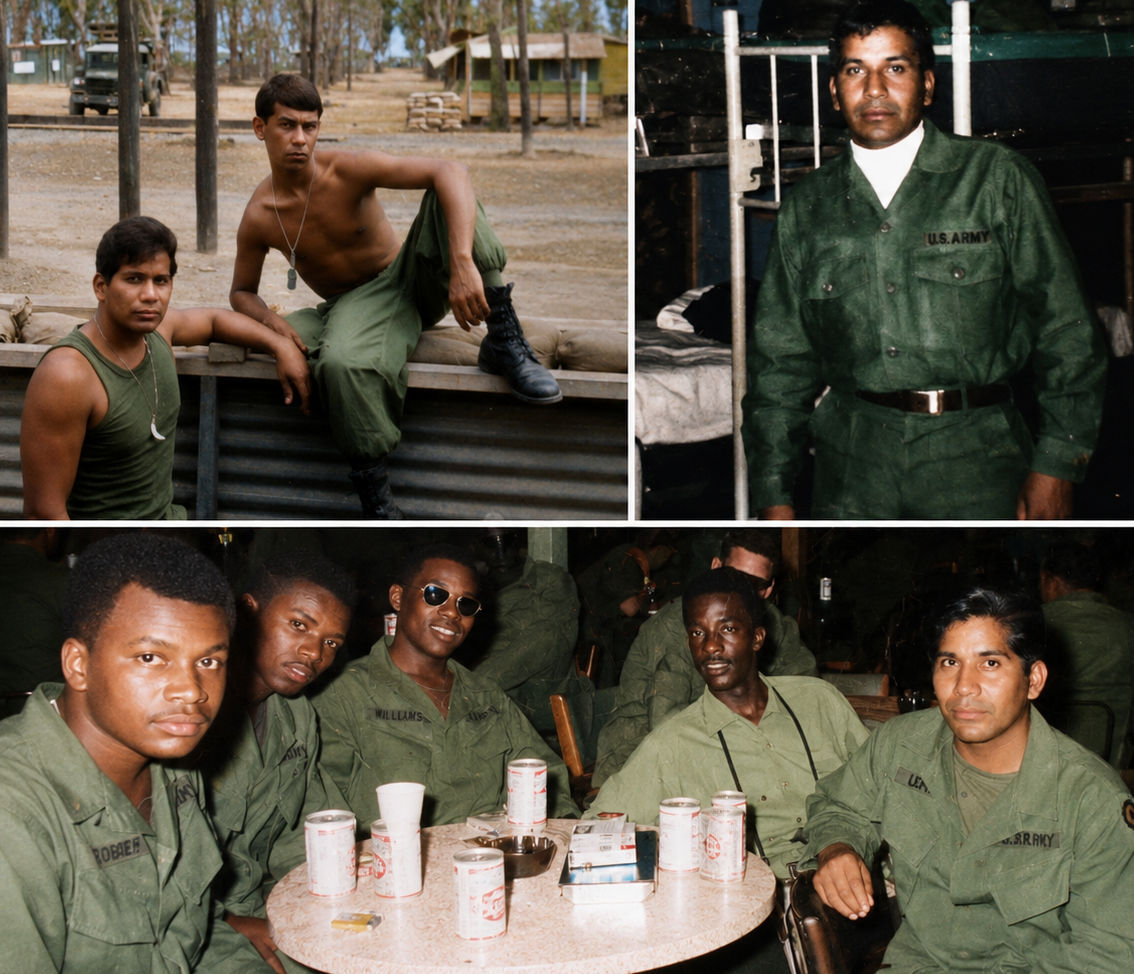
U.S. Army
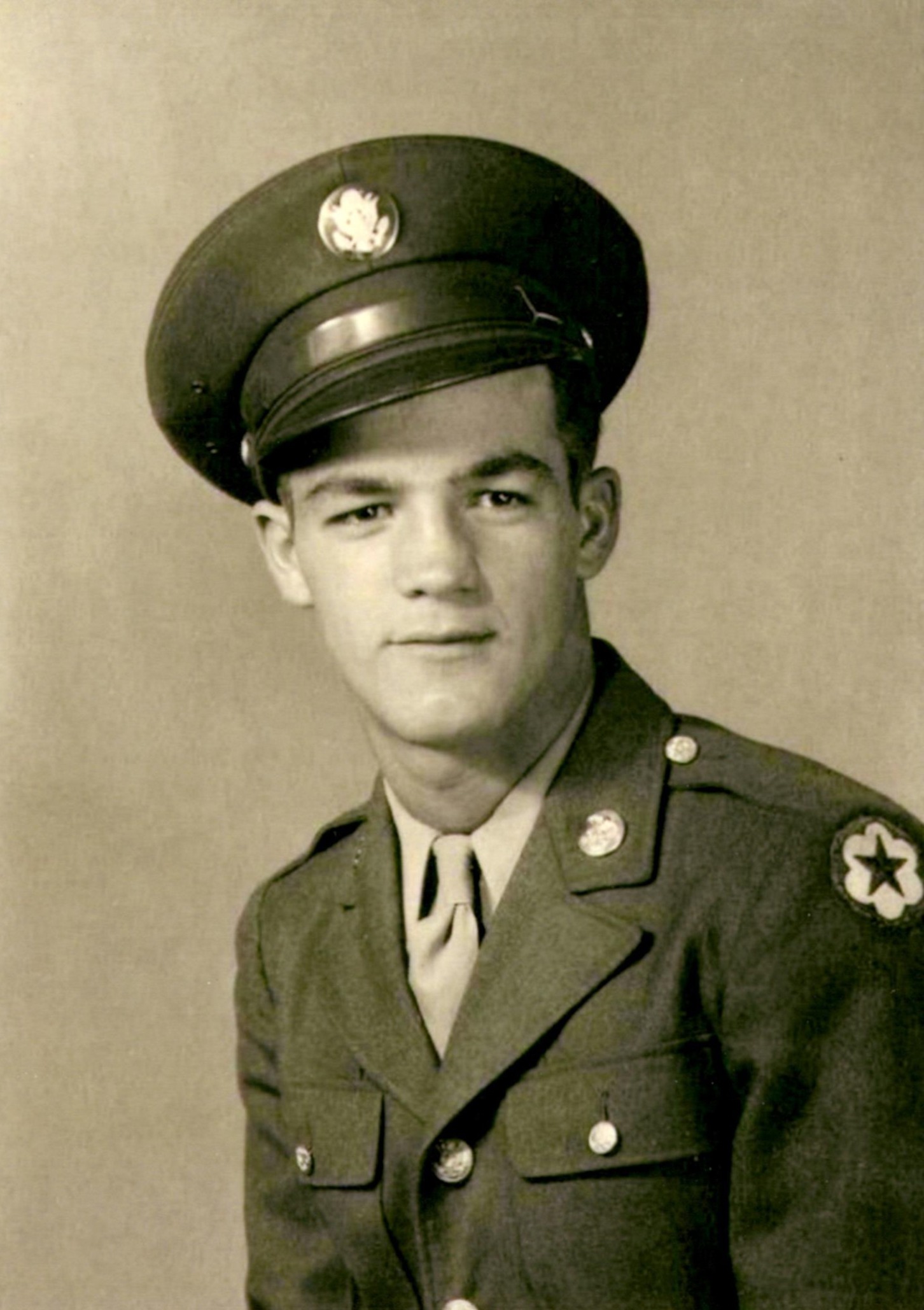
CBI • U.S. Army

3 Infantry Signal • U.S. Army • 1980

13th Engineer Battalion • U.S. Army • 1975