
Opening branch overview
Building the branch home surface
Loading branch highlights, featured unit context, and gallery moments.
Overview
Members
Units
Building the branch home surface
Loading branch highlights, featured unit context, and gallery moments.
Building the branch units surface
Loading unit filters, rankings, and the branch unit grid.

37 members•1 unit
Relive and share the memories of your service-time with your brothers and sisters in arms today. VetFriends.com can help you reconnect.
Did you proudly serve in the Delayed Entry Program?
Are you looking for someone who is or was in the Delayed Entry Program?
Do you have Delayed Entry Program photos you'd like to share?
Then join a community with your brothers and sisters of the Delayed Entry Program.
Branch
U.S. Army
Members
37
The Delayed Entry Program (DEP), also known as the Future Soldiers Program in the U.S. Army, is not a traditional military unit but rather an enlistment program utilized by the United States Armed Forces. Established in the mid-20th century, the DEP allows individuals to commit to military service and reserve their spot for active duty at a future date, often while they complete education or personal obligations. During this period, enlistees participate in preliminary training, learn military customs, and prepare for boot camp under the guidance of recruiters. The DEP has played a key role in shaping recruitment strategies and easing the transition from civilian life to military service for countless service members.

1st BN /65th ADA Co. • U.S. Army • 1980
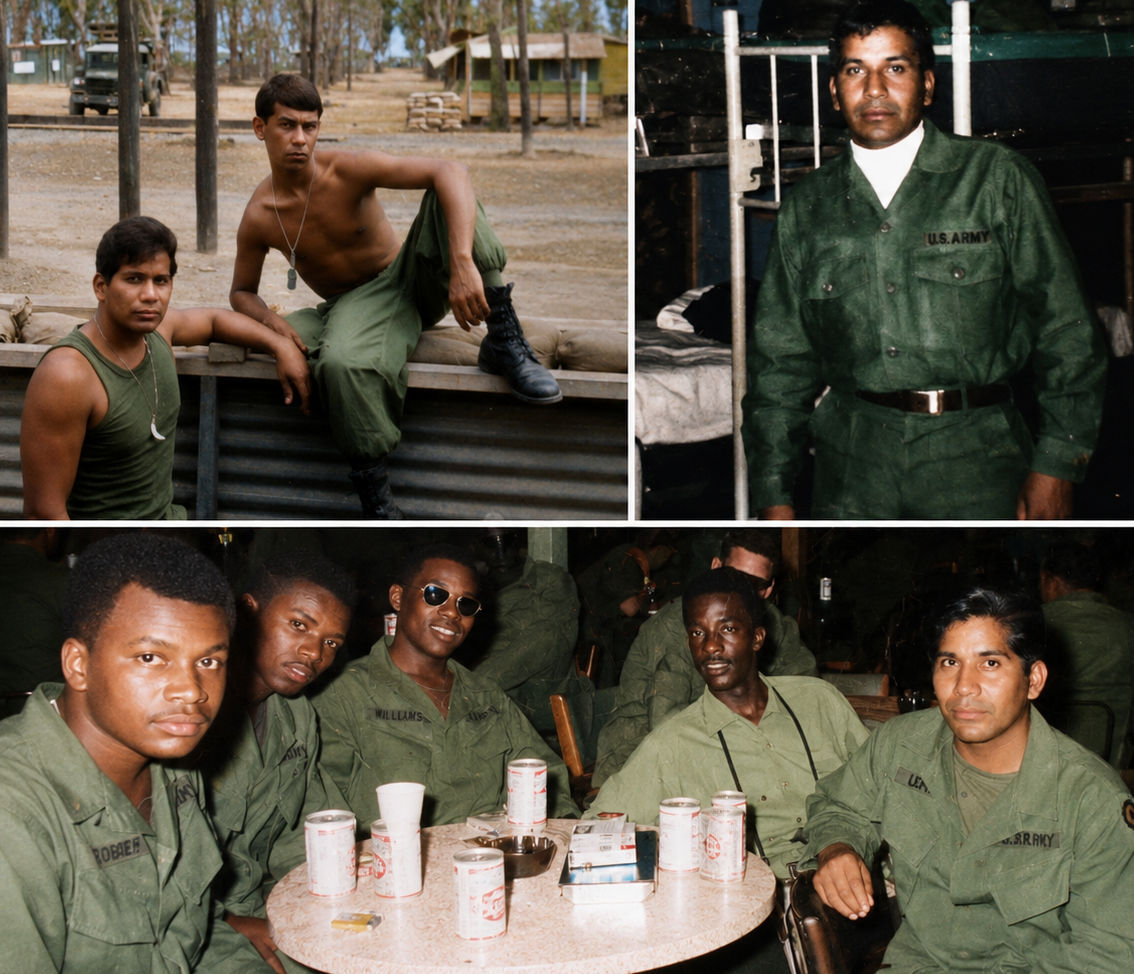
U.S. Army
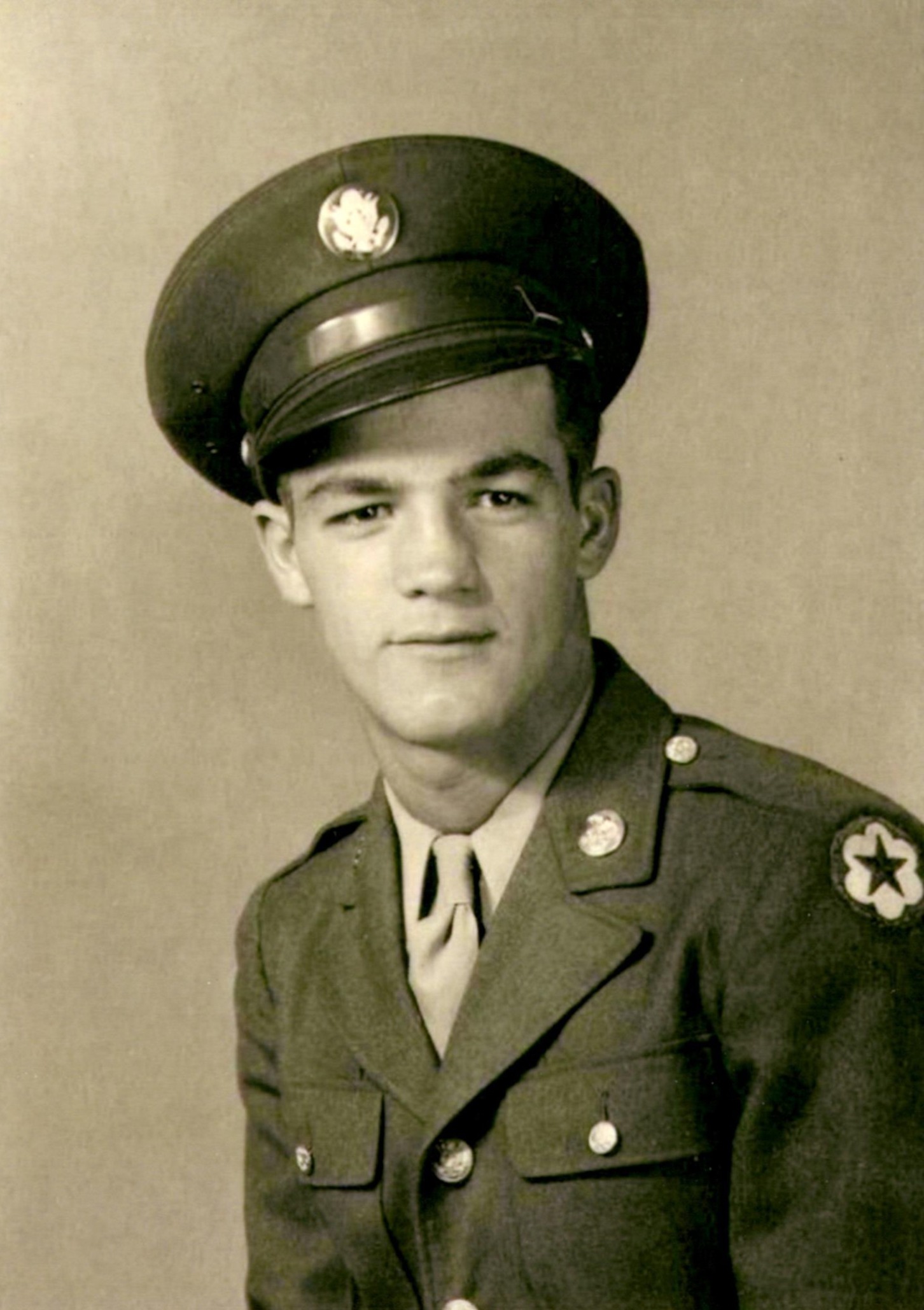
CBI • U.S. Army

3 Infantry Signal • U.S. Army • 1980