
Opening branch overview
Building the branch home surface
Loading branch highlights, featured unit context, and gallery moments.
Overview
Members
Units
Building the branch home surface
Loading branch highlights, featured unit context, and gallery moments.
Building the branch units surface
Loading unit filters, rankings, and the branch unit grid.

37 members•1 unit
Relive and share the memories of your service-time with your brothers and sisters in arms today. VetFriends.com can help you reconnect.
Did you proudly serve in the 5 Air Support Operations Squadron?
Are you looking for someone who is or was in the 5 Air Support Operations Squadron?
Do you have 5 Air Support Operations Squadron photos you'd like to share?
Then join a community with your brothers and sisters of the 5 Air Support Operations Squadron.
Branch
U.S. Air Force
Members
37
The 5th Air Support Operations Squadron (5 ASOS) is a United States Air Force unit originally constituted in 1942. During World War II, it provided vital air-ground coordination, supporting ground forces in the European Theater. Reactivated in the postwar era, the squadron has since evolved to deliver tactical command and control of air power assets, primarily supporting the Army's I Corps at Joint Base Lewis-McChord, Washington. Today, the 5 ASOS continues to train and deploy Tactical Air Control Party (TACP) specialists, ensuring effective integration of air support in joint operations worldwide.

661st Air Force Band ( AFLC ) • U.S. Air Force • 1972

2153 • U.S. Air Force • 1981
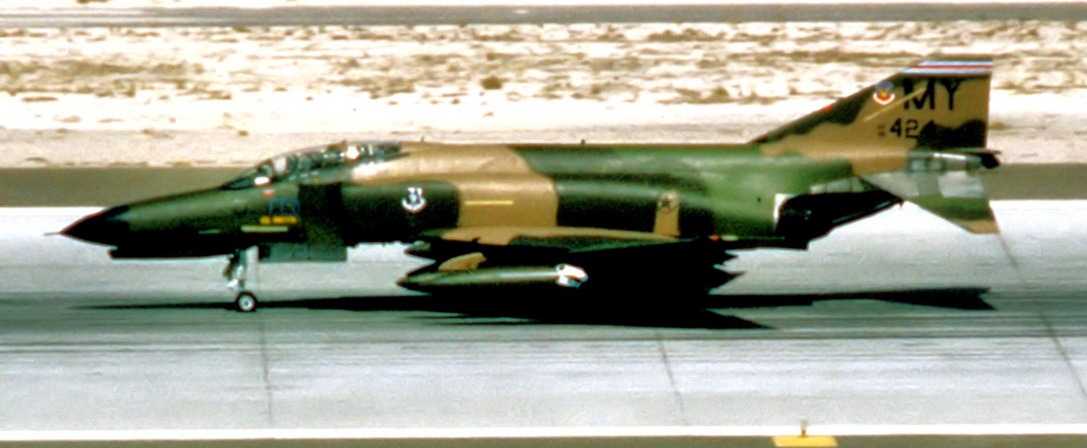
68th AGS • U.S. Air Force • 1976
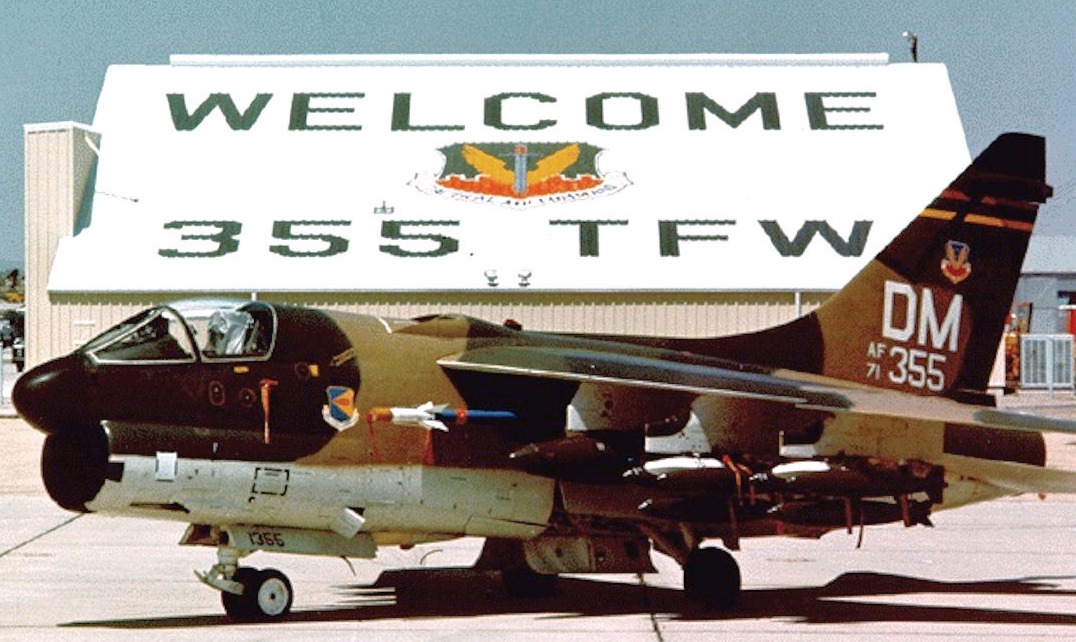
355th AMS • U.S. Air Force • 1974