
Opening branch overview
Building the branch home surface
Loading branch highlights, featured unit context, and gallery moments.
Overview
Members
Units
Building the branch home surface
Loading branch highlights, featured unit context, and gallery moments.
Building the branch units surface
Loading unit filters, rankings, and the branch unit grid.

37 members•1 unit
Relive and share the memories of your service-time with your brothers and sisters in arms today. VetFriends.com can help you reconnect.
Did you proudly serve in the Naval Security Group?
Are you looking for someone who is or was in the Naval Security Group?
Do you have Naval Security Group photos you'd like to share?
Then join a community with your brothers and sisters of the Naval Security Group.
Branch
U.S. Air Force
Members
37
The Naval Security Group (NSG) was established during World War II as a specialized unit responsible for signals intelligence, cryptology, and information security for the United States Navy. Its origins trace back to 1935 with the creation of the Navy's Communications Security (COMSEC) organization, but it formally became the Naval Security Group in 1950. Throughout the Cold War, the NSG played a crucial role in intercepting and deciphering enemy communications, contributing significantly to U.S. intelligence efforts. In 2005, the NSG was disestablished and its functions were integrated into the Naval Network Warfare Command (NETWARCOM), marking the transition to modern cyber and information warfare capabilities.
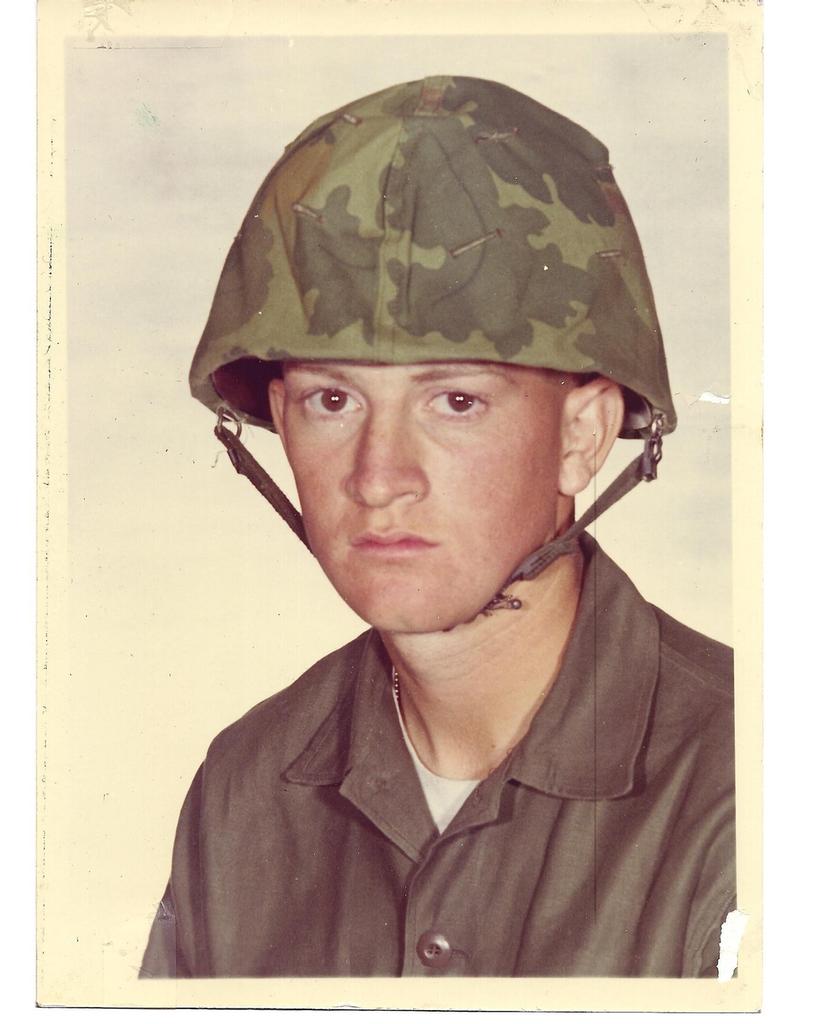
U.S. Army • 1983
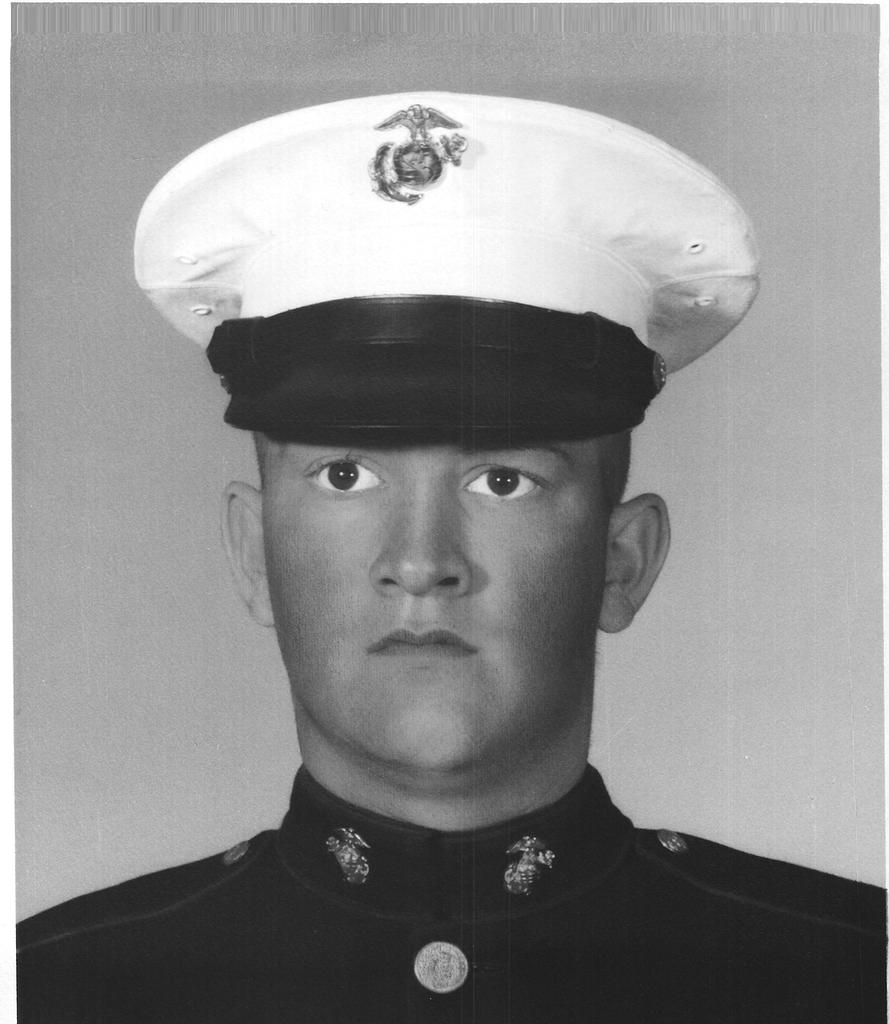
U.S. Army • 2009