About this Unit
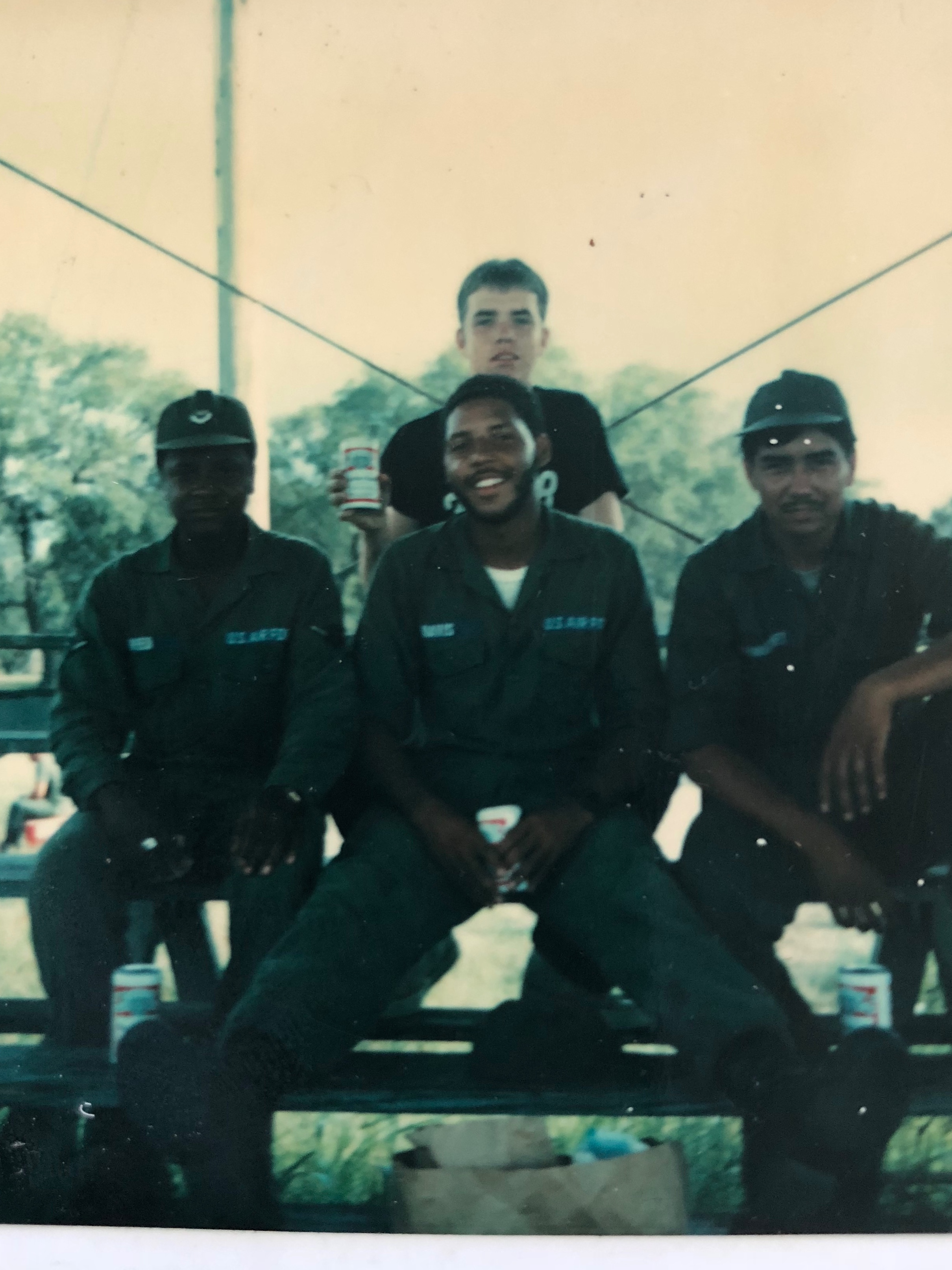
The 12th United States Army Field Artillery Detachment (12th USAFAD) was a specialized unit of the U.S. Army stationed in West Germany during the Cold War. Tasked with the custodial responsibility for nuclear warheads, the 12th USAFAD operated in close cooperation with NATO allies, notably supporting Belgian artillery units equipped with Honest John and later Lance missiles. The detachment played a crucial role in the NATO nuclear sharing agreement, ensuring operational readiness and security of U.S. nuclear assets deployed in Europe. The unit was deactivated in the early 1990s following arms reduction agreements and the end of the Cold War.
Historical Facts
•
Origins and Name: The 12th United States Army Field Artillery Detachment (12th USAFAD) was a NATO nuclear weapons support unit stationed in West Germany during the Cold War.
•
Location: The unit was based in Wulfen, near Dorsten, North Rhine-Westphalia, providing support to Belgian artillery units equipped with nuclear-capable missiles.
•
NATO Role: The 12th USAFAD’s primary mission was to maintain, secure, and deliver nuclear warheads for Belgian Honest John and later Lance missile systems as part of NATO’s nuclear sharing policy.
•
Belgian Cooperation: The detachment worked closely with the Belgian 14th and later 2nd Artillery Battalions, ensuring that both nations operated in tandem under NATO command structures.
•
Security Measures: The site was heavily fortified with multiple layers of fences, watchtowers, and American military police, reflecting the strategic importance of the nuclear arsenal stored there.
•
Cultural Exchange: The presence of American soldiers contributed to local German and Belgian communities, fostering cross-cultural ties through social events, sports, and local engagement.
•
High Alert Status: The unit operated under constant readiness, with soldiers regularly drilled in security and nuclear handling protocols, especially during periods of heightened international tension.
•
Deactivation: The 12th USAFAD was inactivated in the early 1990s following the end of the Cold War and subsequent nuclear arms reductions in Europe.
•
Legacy: The site of the former 12th USAFAD has since been repurposed, but veterans and historians still commemorate its role in NATO’s defense during the Cold War.
•
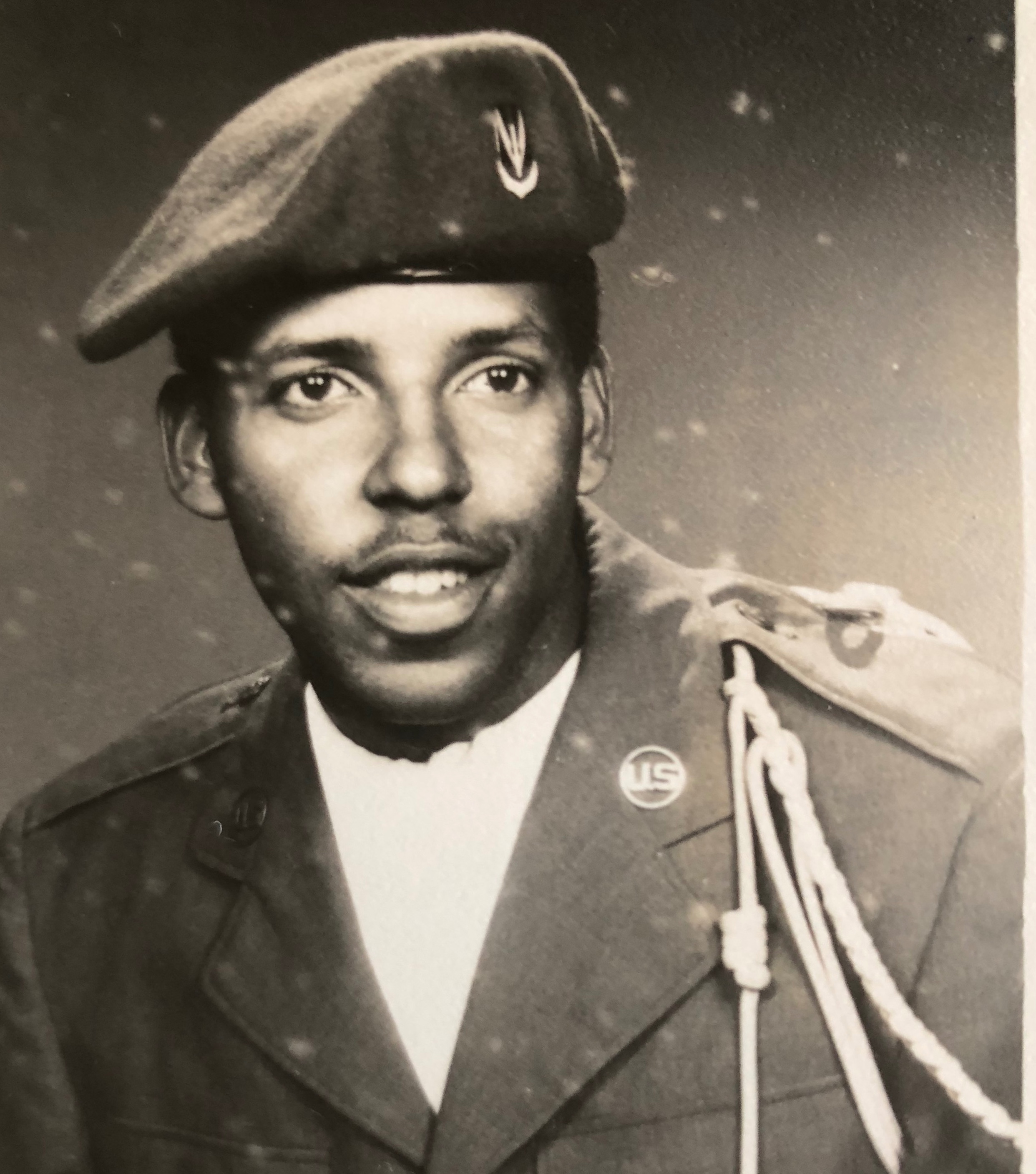
Veterans’ Memories: Former members have shared stories of camaraderie, unique Cold War experiences, and the tension of guarding nuclear weapons in a divided Europe, preserving the unit’s history through reunions and online groups.