
Opening branch overview
Building the branch home surface
Loading branch highlights, featured unit context, and gallery moments.
Overview
Members
Units
Building the branch home surface
Loading branch highlights, featured unit context, and gallery moments.
Building the branch units surface
Loading unit filters, rankings, and the branch unit grid.

2 members•1 unit
Relive and share the memories of your service-time with your brothers and sisters in arms today. VetFriends.com can help you reconnect.
Did you proudly serve in the Camp king?
Are you looking for someone who is or was in the Camp king?
Do you have Camp king photos you'd like to share?
Then join a community with your brothers and sisters of the Camp king.
Branch
U.S. Army
Members
2
Camp King was a U.S. military intelligence post located in Oberursel, near Frankfurt am Main, Germany. Established in 1946, it served as an interrogation center for high-ranking Nazi officials and suspected Soviet spies during the early years of the Cold War. Operated by the U.S. Army and later the CIA, Camp King played a significant role in gathering intelligence on Soviet activities in Europe. The facility was closed in 1993 and has since been redeveloped for civilian use.
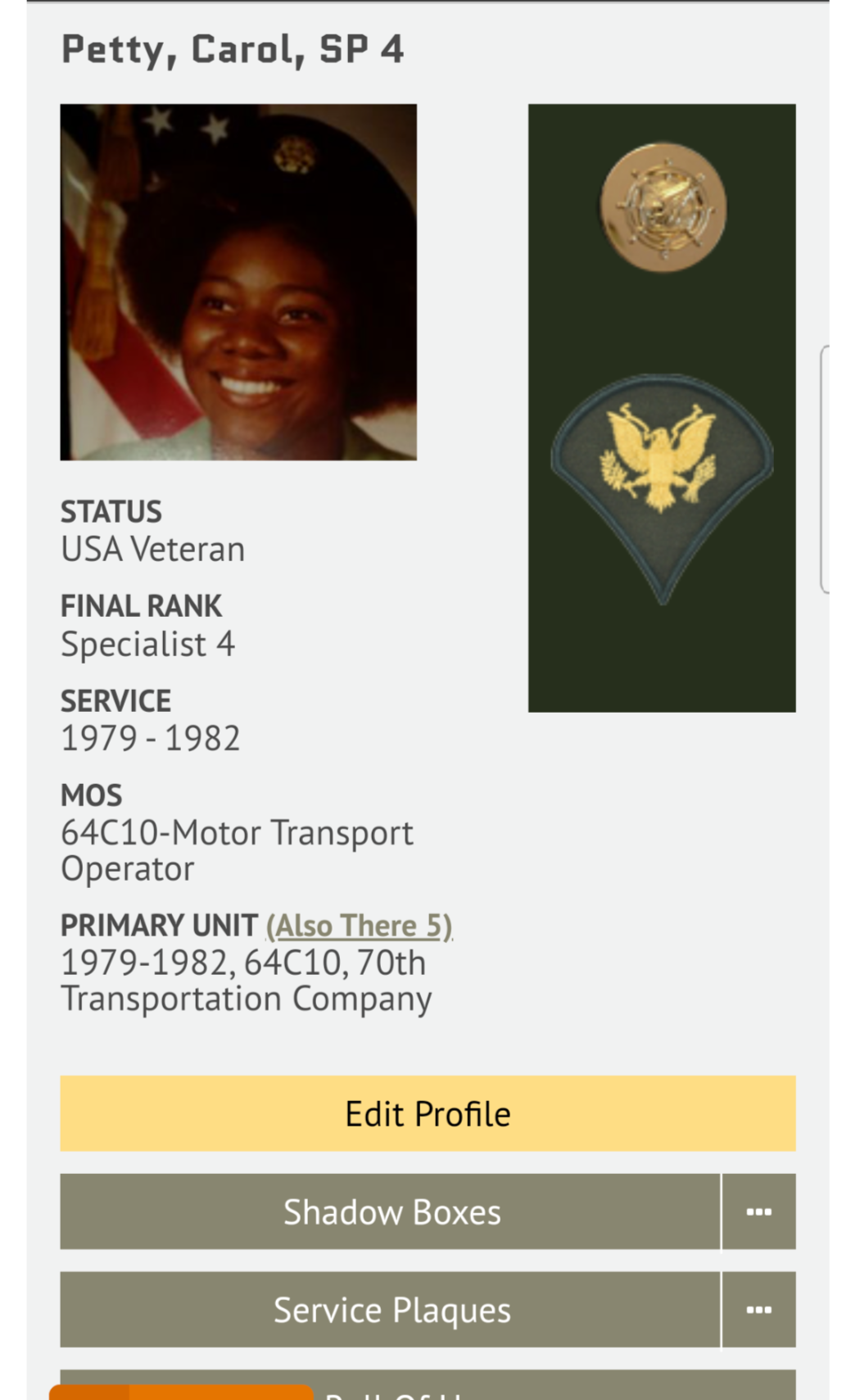
70th Transportation Geissen, West Germany • U.S. Army • 1979
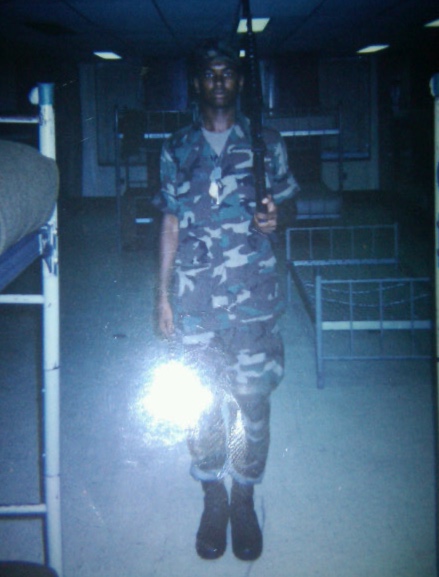
U.S. Army • 1996
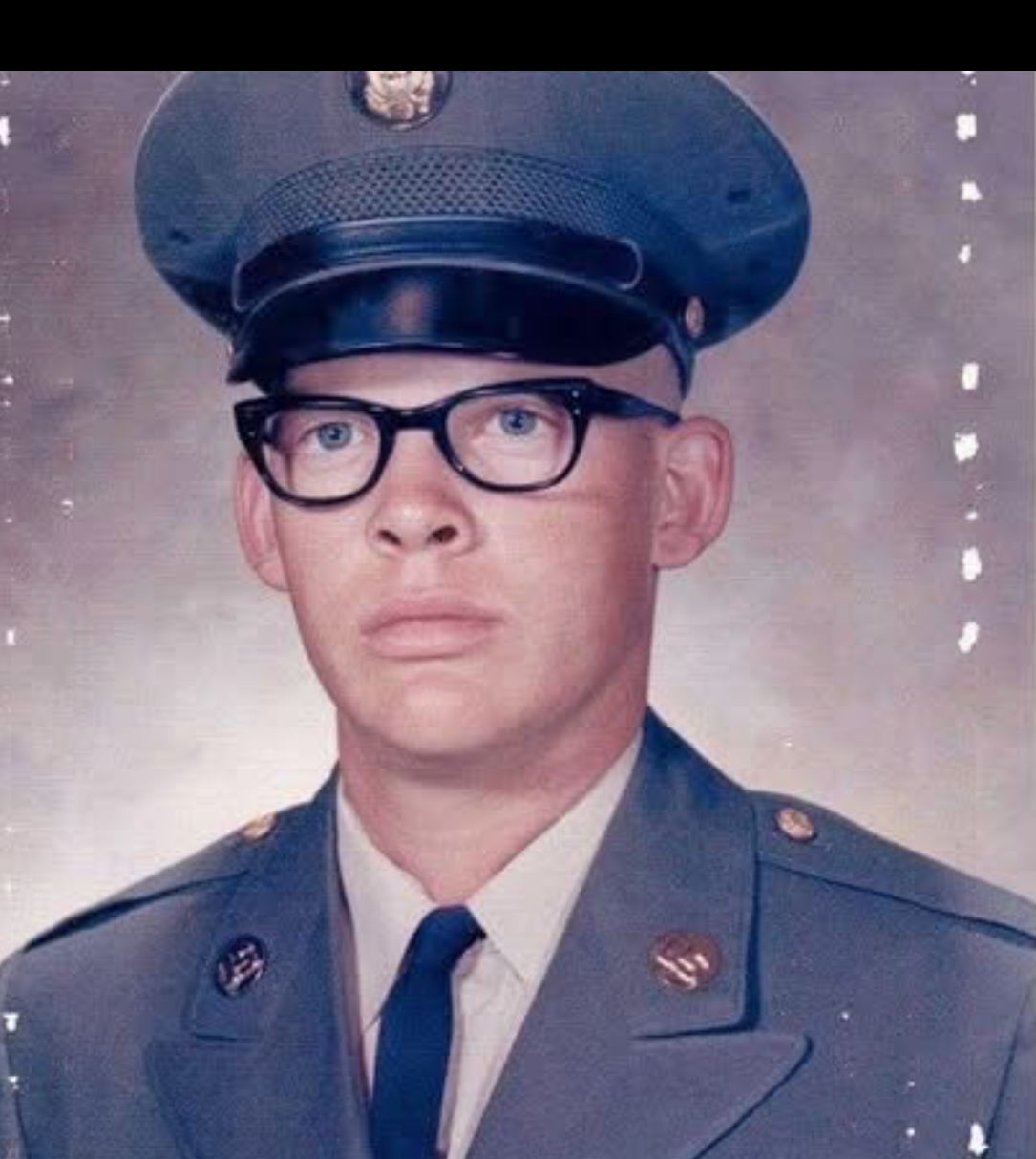
Echo company Fort Lewis, Washington • U.S. Army • 1970
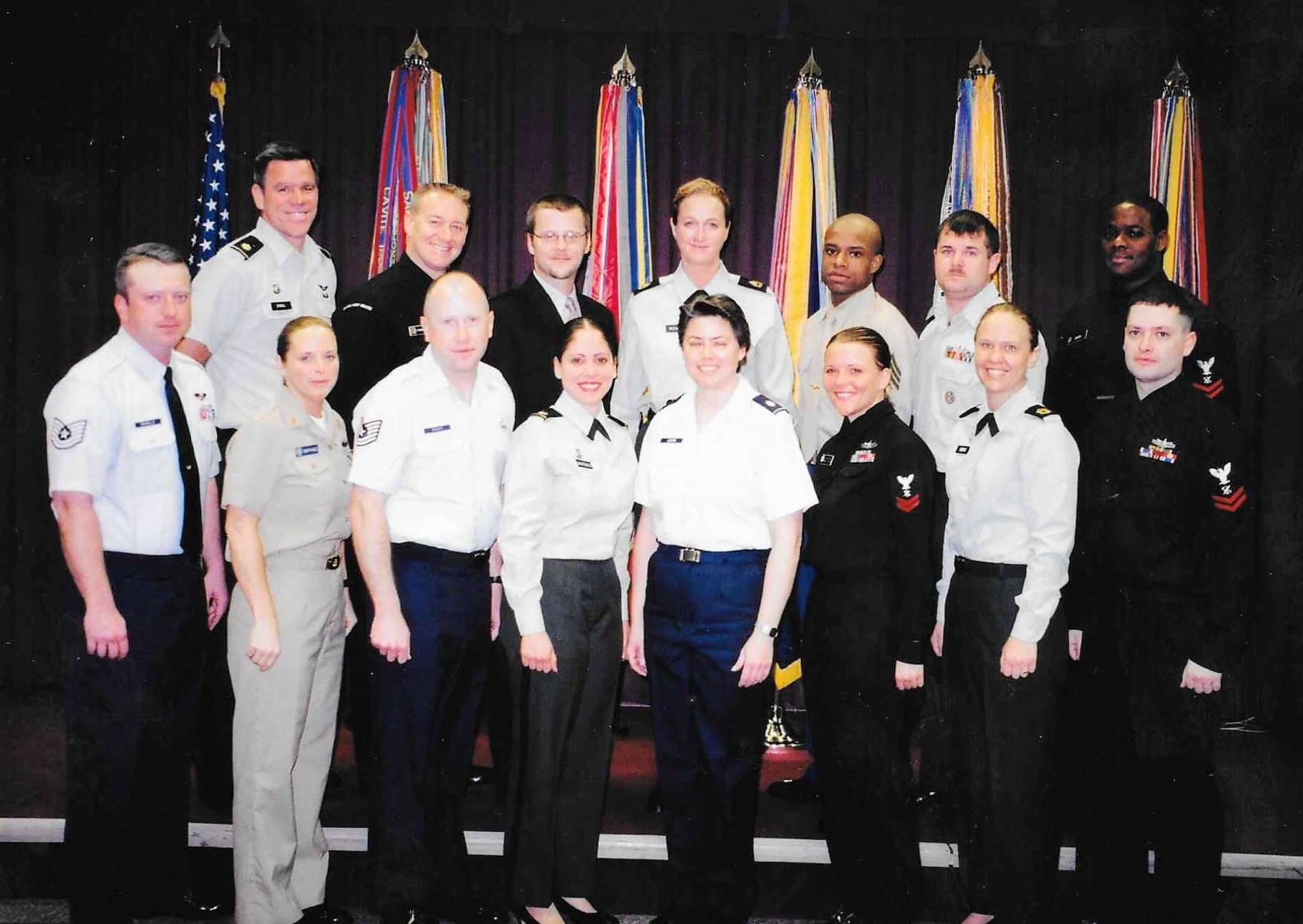
Defense Information School • U.S. Army • 2006