Eddie Womack
U.S. Army Veteran
About
Branch
U.S. Army
Rank
E-8 1SGT
Service Years
1983 - 2009
Units
67th Signal Battalion
U.S. Army
The 67th Signal Battalion was first constituted on 10 November 1941 in the Army of the United States and activated on 1 June 1942 at Camp Crowder, Missouri. During World War II, the battalion provided critical communications support throughout the European Theater, participating in campaigns including Normandy, Northern France, Rhineland, Ardennes-Alsace, and Central Europe. After several inactivations and reactivations, the unit was reactivated on 16 October 1981 at Fort Gordon, Georgia, where it has since supported worldwide signal operations. Today, the 67th Signal Battalion remains a vital part of the U.S. Army’s communications infrastructure, enabling effective command and control for deployed forces.
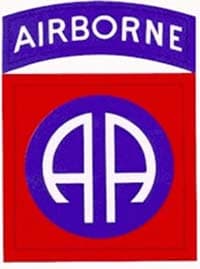
82nd Airborne
U.S. Army
The 82nd Airborne Division is a specialized infantry division of the United States Army. It is known for its rapid deployment capability and ability to conduct airborne operations. The division has a long and storied history, playing a crucial role in World War II, the Korean War, Vietnam War, Operation Urgent Fury in Grenada, Operation Just Cause in Panama, the Gulf War, and more recently in Iraq and Afghanistan. The 82nd Airborne Division is based at Fort Bragg, North Carolina, and remains one of the most highly trained and ready divisions in the U.S. Army.
HHC Special Troops, BERLIN BRIGADE
U.S. Army
Headquarters and Headquarters Company, Special Troops, Berlin Brigade (HHC Special Troops) was a vital component of the U.S. Army Berlin Brigade during the Cold War. Activated in post-World War II Berlin, the unit provided essential command, control, and administrative support to the brigade’s specialized elements, including military police, signal, and intelligence units. HHC Special Troops played a key role in maintaining readiness, discipline, and operational effectiveness amidst the geopolitical tensions of a divided city. The unit remained active until the brigade’s deactivation in 1994, following the end of the Cold War and the reunification of Germany.
ARMY RECRUITING COMMAND
U.S. Army
The United States Army Recruiting Command (USAREC) was established in October 1964 to centralize and coordinate all Army recruiting activities nationwide. Headquartered at Fort Knox, Kentucky, USAREC is responsible for enlisting both officers and enlisted personnel into the Regular Army and Army Reserve. Over the decades, the command has adapted to changing recruiting environments, such as the transition to an all-volunteer force in 1973 and the integration of new technologies and outreach strategies. USAREC continues to play a vital role in maintaining the Army’s readiness by ensuring a steady flow of qualified recruits to meet the nation’s defense needs.
18th Field Artillery Brigade
U.S. Army
The 18th Field Artillery Brigade was originally constituted on 18 October 1927 in the Regular Army as Headquarters and Headquarters Battery, 18th Field Artillery Brigade and activated on 19 January 1943 at Camp Gruber, Oklahoma. During World War II, the brigade provided crucial artillery support in the European Theater, participating in campaigns such as Normandy and Rhineland. In the postwar era, the brigade was reactivated and reorganized several times, eventually becoming a key element of the XVIII Airborne Corps at Fort Liberty, North Carolina. Today, the 18th Field Artillery Brigade remains the Army’s only airborne field artillery brigade, delivering precision fire support and maintaining rapid deployment capabilities worldwide.
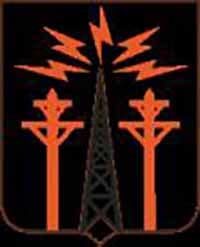
17TH SIGNAL BN
U.S. Army
Unit with 178 member associations.
32nd Signal Battalion
U.S. Army
The 32nd Signal Battalion was first constituted on 1 March 1943 in the United States Army during World War II and activated at Camp Crowder, Missouri. The battalion provided vital communications support for command and control operations throughout the European Theater, notably participating in the Rhineland and Central Europe campaigns. After the war, the unit underwent several activations and inactivations, reflecting the changing needs of the Army. During the Cold War, the 32nd Signal Battalion was stationed in Germany, where it played a crucial role in NATO communications before its inactivation in 2007 as part of Army transformation initiatives.