













(-Kielbas--56228.jpg)
(-Kielbas--38280.jpg)
(-Kielbas--61807.jpg)

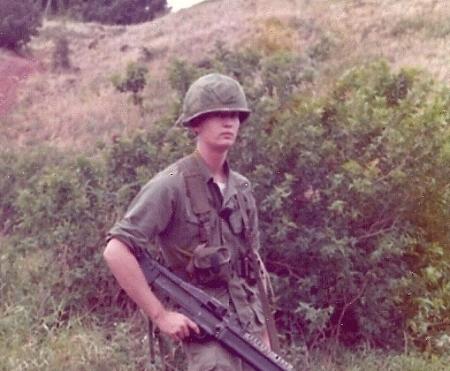

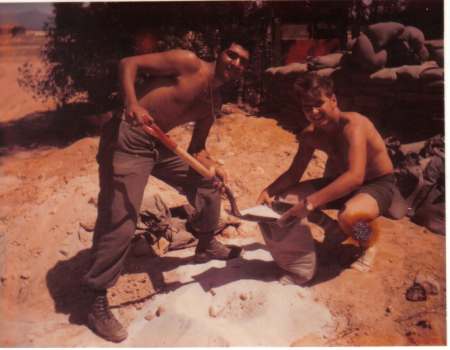

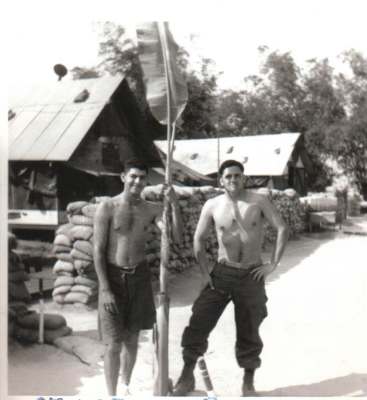
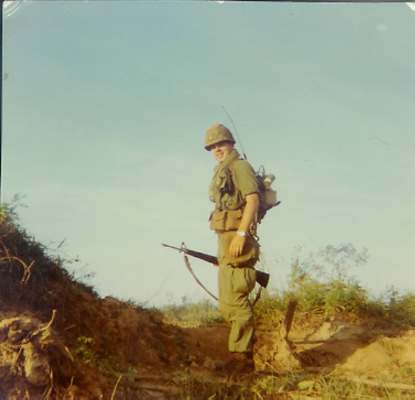












ABOUT 27th FIS
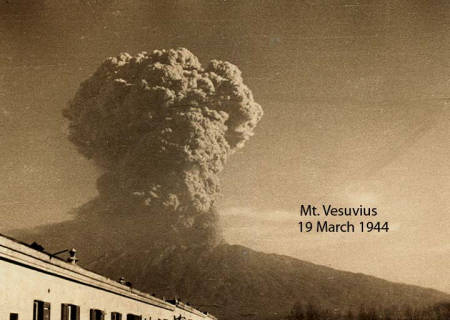
- Origins in World War II: The 27th Fighter Interceptor Squadron (FIS) was originally activated as the 27th Pursuit Squadron on 1 February 1940 at Selfridge Field, Michigan, as part of the build-up of American airpower prior to U.S. entry into World War II.
- Pearl Harbor Survivor: The squadron was stationed at Wheeler Field, Hawaii, during the Japanese attack on Pearl Harbor on December 7, 1941, and suffered significant losses of aircraft on the ground.
- Pacific Theater Operations: After the attack on Pearl Harbor, the 27th FIS participated in defensive and offensive operations throughout the Pacific, including actions in the Central and South Pacific.
- Postwar Reactivation: The squadron was inactivated after World War II but was reactivated during the Cold War as part of the growing need for continental air defense against potential Soviet threats.
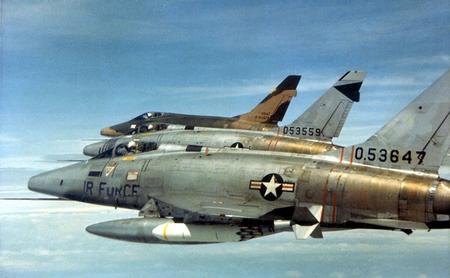
- Cold War Air Defense: The 27th FIS became a key component of Air Defense Command, operating advanced interceptor aircraft to protect U.S. airspace during the tension-filled years of the Cold War.
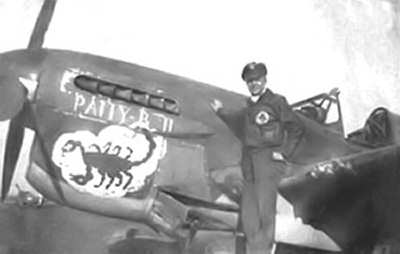
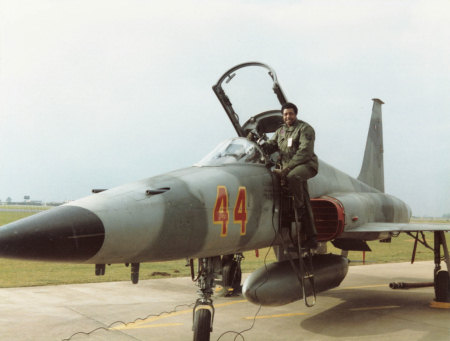
- Jet Age Transition: The unit flew a variety of cutting-edge aircraft over its history, including the P-40 Warhawk, P-47 Thunderbolt, F-86 Sabre, F-102 Delta Dagger, and F-106 Delta Dart.
- Strategic Locations: The 27th FIS was based at several strategic locations, including Griffiss Air Force Base, New York, which was an important site for continental air defense.
- Notable Interceptions: Throughout its service, the squadron participated in numerous intercept missions, including responding to unidentified aircraft entering U.S. airspace during periods of high alert.
- Distinguished Service: The squadron earned several unit citations and commendations for its performance and readiness, both in combat and peacetime operations.
- Legacy and Inactivation: The 27th FIS was inactivated in 1972 as part of the drawdown of Air Defense Command forces, but its legacy continues in the proud history of U.S. air defense and the units that followed.