























































-76917.jpg)
-84062.jpg)
-32798.jpg)
-75371.jpg)
-98616.jpg)

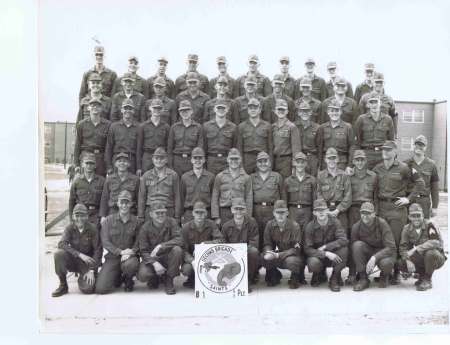
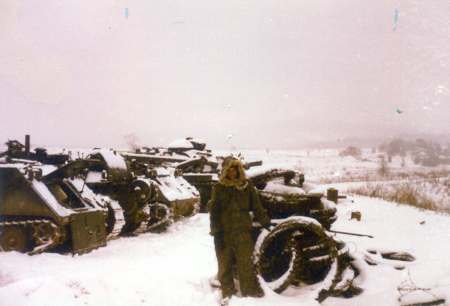
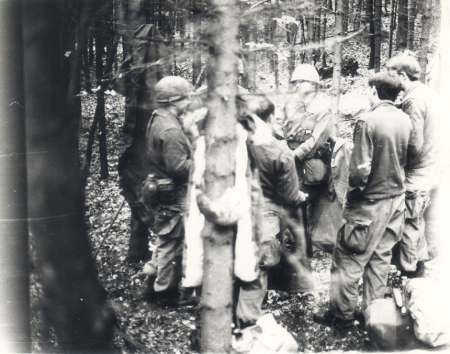
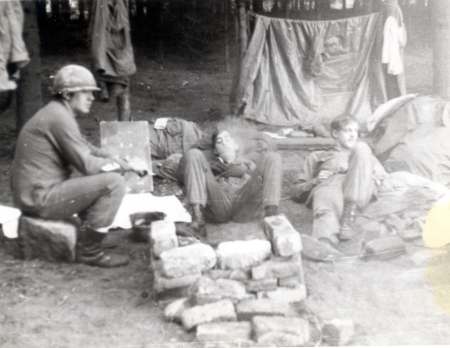




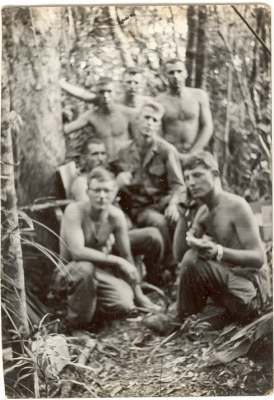

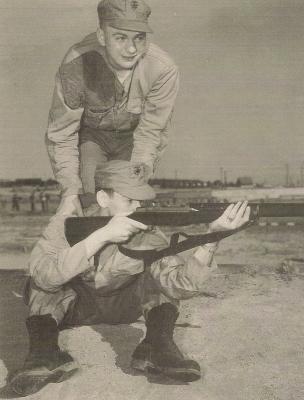

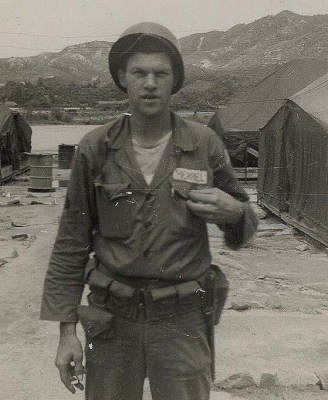
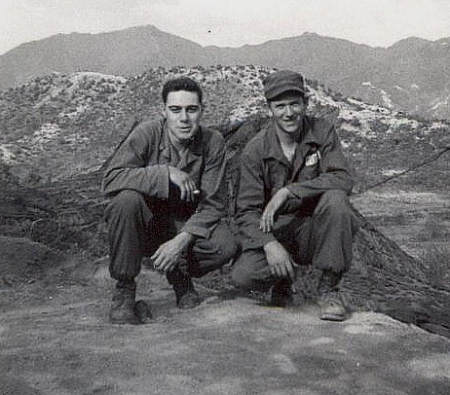





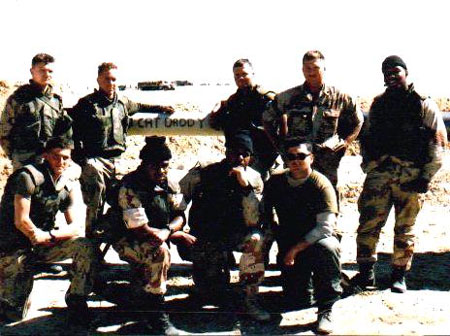
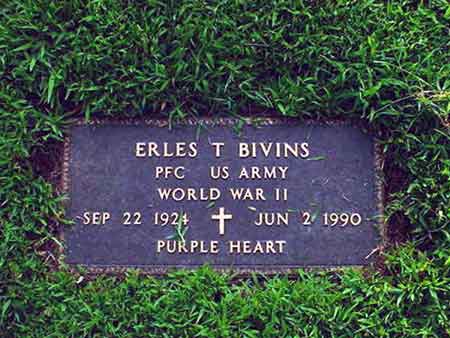

ABOUT 10th Medical Lab
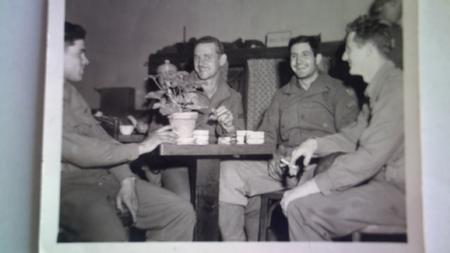
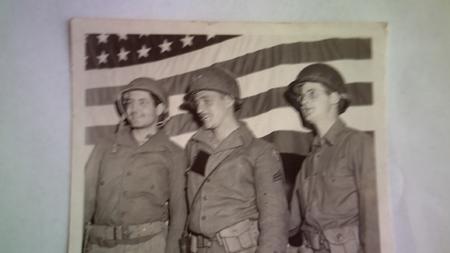
- World War II Origins: The 10th Medical Laboratory was first activated during World War II, on 20 June 1942, at Camp Barkeley, Texas, to provide advanced laboratory support for U.S. Army medical units in overseas combat theaters.
- European Theater Operations: The unit deployed to the European Theater and supported the U.S. Army by conducting critical disease surveillance, blood analysis, and bacteriological testing during the liberation of France and the push into Germany.
- Battlefield Disease Prevention: The 10th Medical Lab played a crucial role in identifying and controlling outbreaks of diseases such as typhus, dysentery, and malaria among troops, saving countless lives.
- Post-War Service in Germany: After WWII, the unit remained in Germany and continued to provide laboratory services for occupation forces, helping to rebuild local health infrastructure.
- Korean War Support: The 10th Medical Laboratory was reactivated for service during the Korean War, again providing essential medical laboratory diagnostics and research to support combat operations.
- Contributions to Medical Science: Over the decades, the 10th Med Lab contributed to medical research, including advancements in rapid disease detection and improvements in battlefield laboratory techniques.
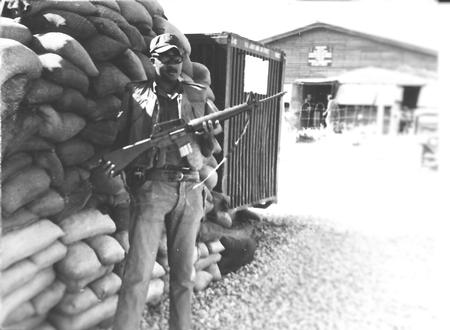
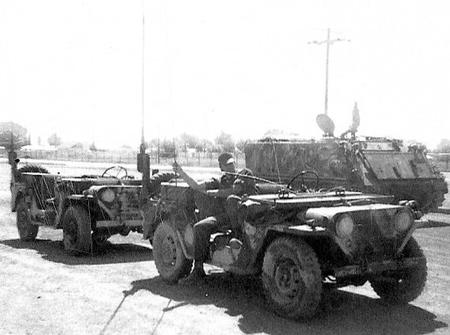
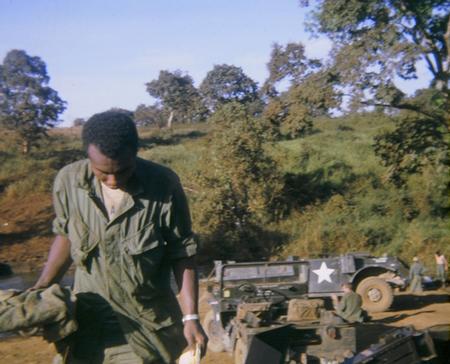
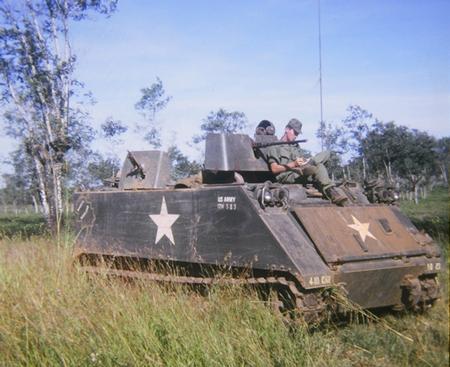
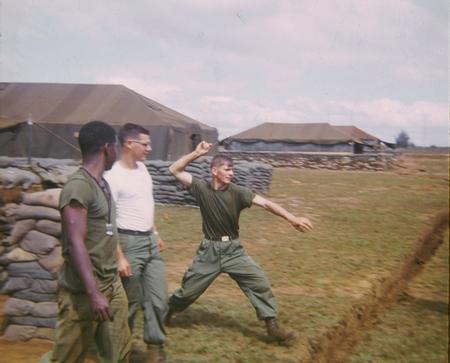
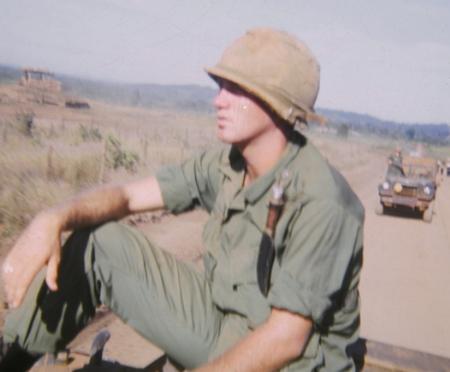
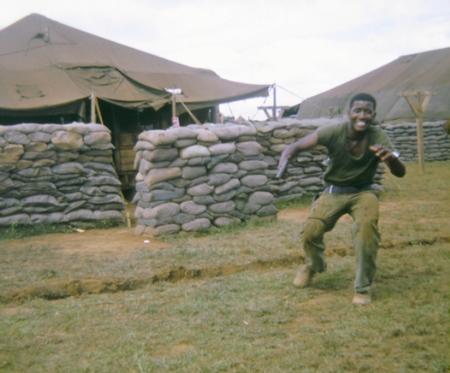
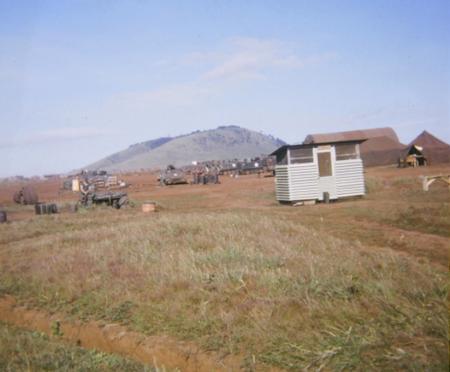
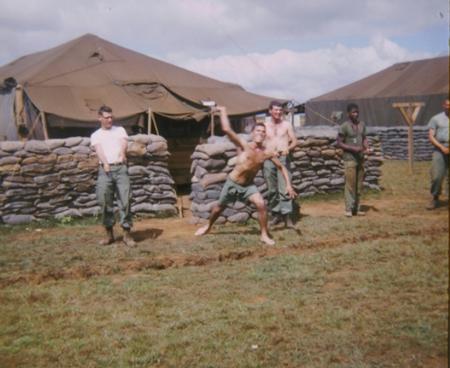
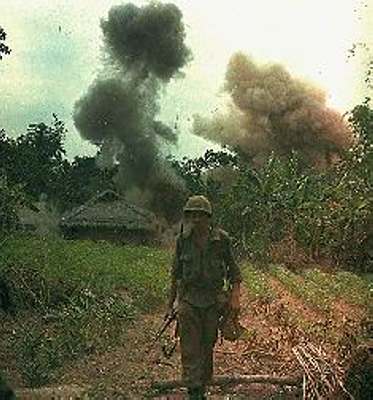
- Vietnam War Involvement: The unit provided laboratory and public health services during the Vietnam War, helping to address tropical diseases and environmental hazards faced by U.S. forces.
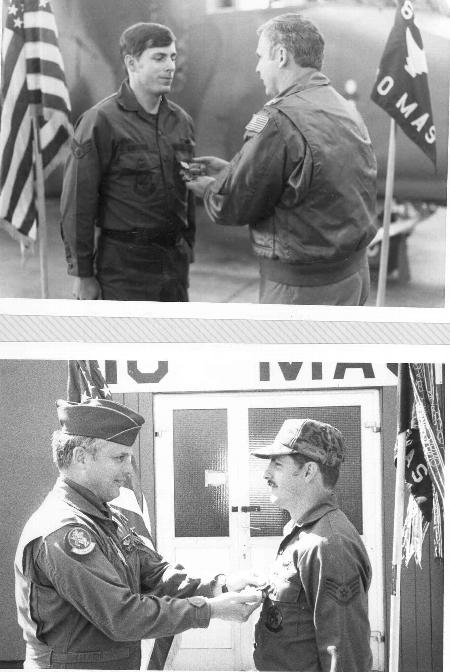
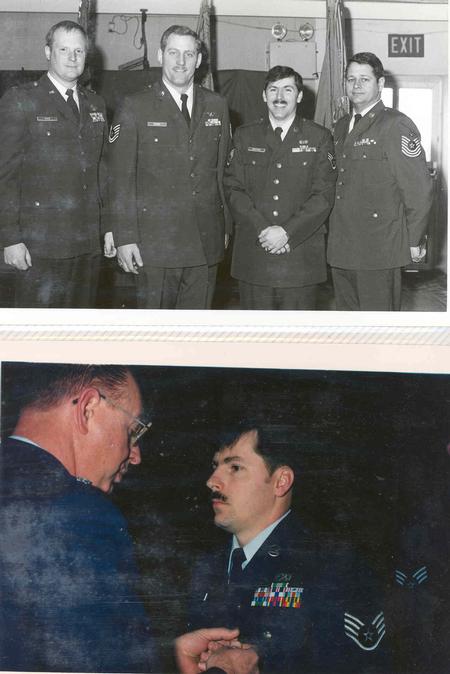
- Cold War Presence in Europe: In the 1970s and 1980s, the 10th Medical Laboratory was stationed in Landstuhl, Germany, supporting U.S. and NATO forces with advanced diagnostic capabilities.
- Motto and Insignia: The unit’s official motto, "Scientia Pro Vita" (Science for Life), reflects its commitment to scientific excellence in the service of soldier health. Its insignia features a microscope and a caduceus, symbolizing medicine and laboratory science.
- Legacy of Service: Although the 10th Medical Laboratory has been inactivated and reactivated several times, its legacy endures through its critical role in military medicine and its contributions to protecting the health of U.S. service members worldwide.