








































ABOUT MAG 13
- Origins in World War II: Marine Aircraft Group 13 (MAG-13) was originally commissioned on March 1, 1942, at San Diego, California, primarily to support World War II operations in the Pacific Theater.
- Guadalcanal Campaign: MAG-13 played a significant role in the Guadalcanal Campaign, providing essential air support for the U.S. Marines during one of the most pivotal battles in the Pacific.
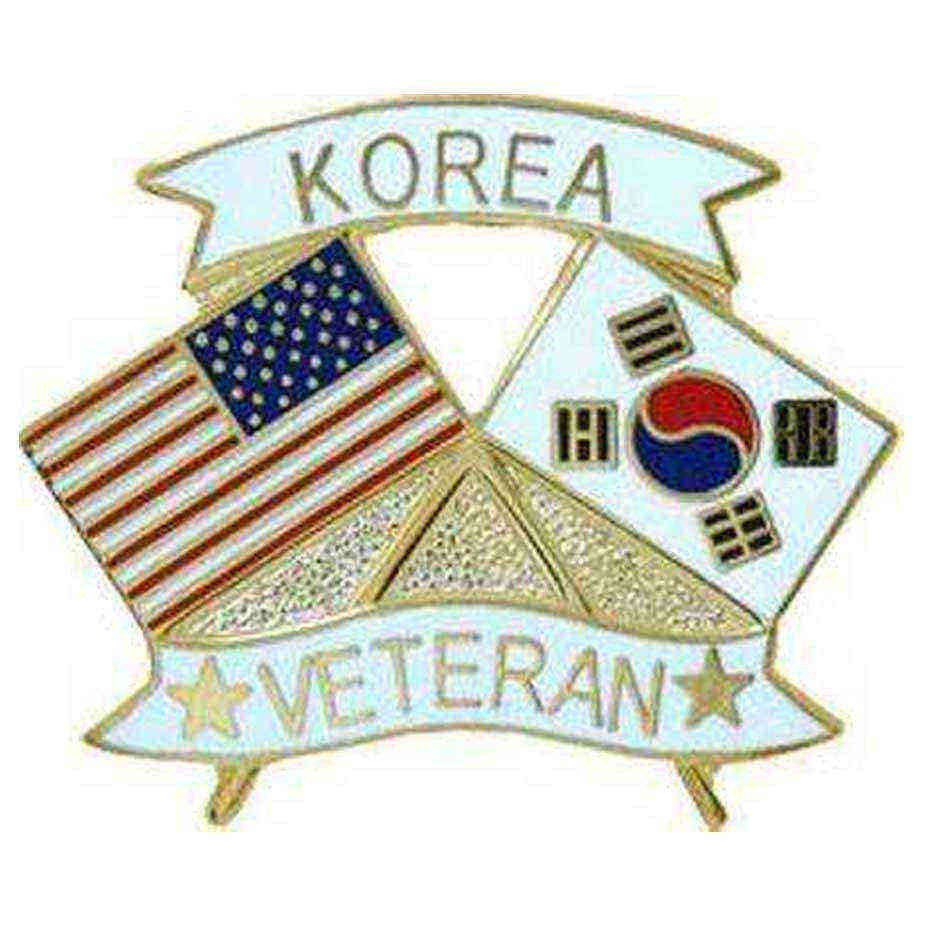
- Korean War Contribution: The group was reactivated for the Korean War, where it conducted close air support and interdiction missions, helping to shape Marine Corps air tactics.
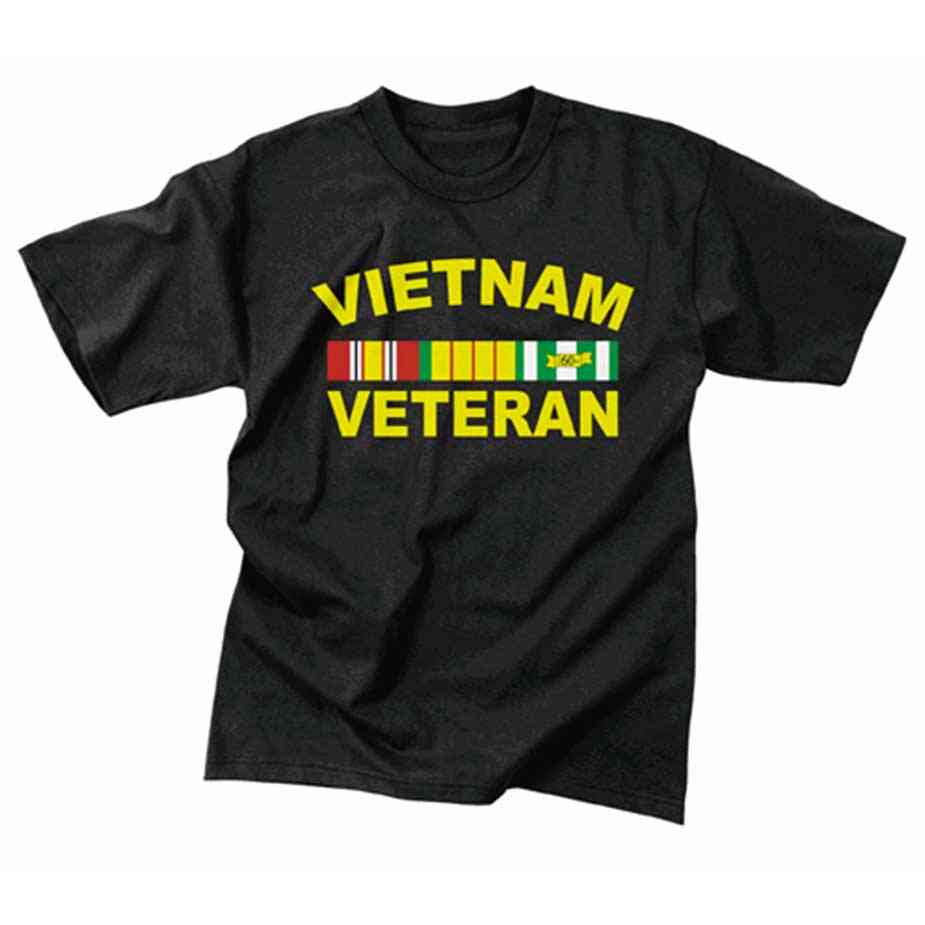
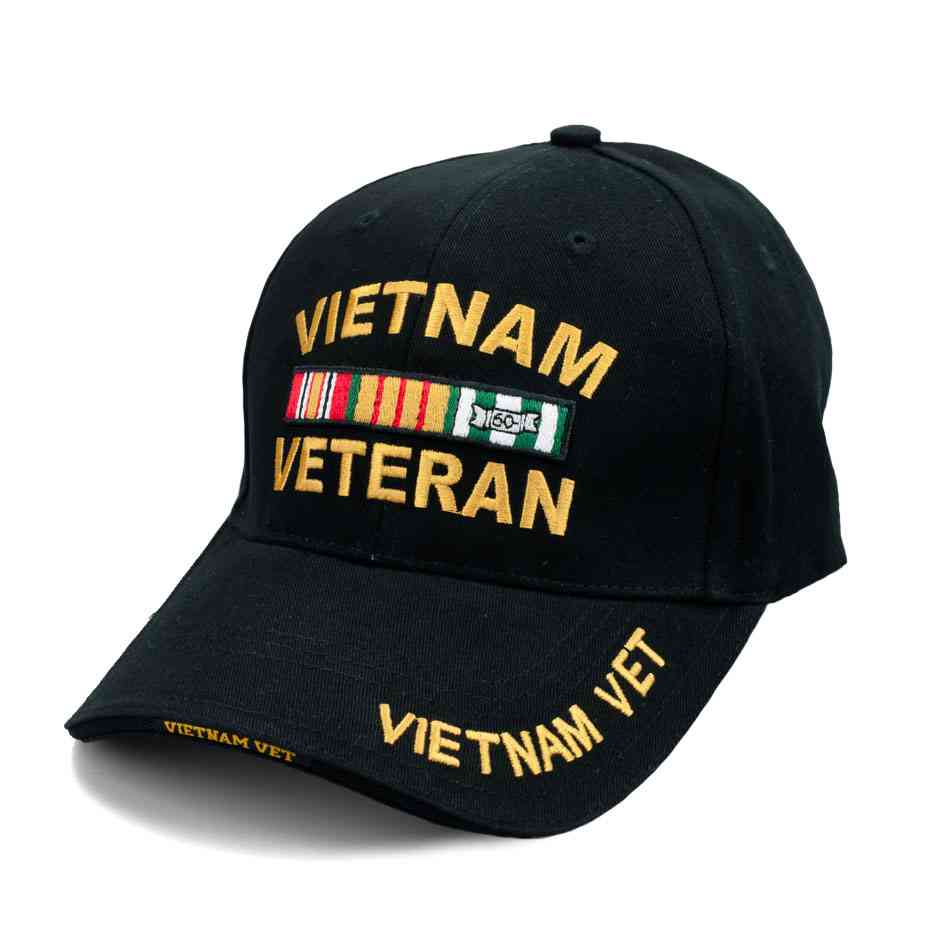
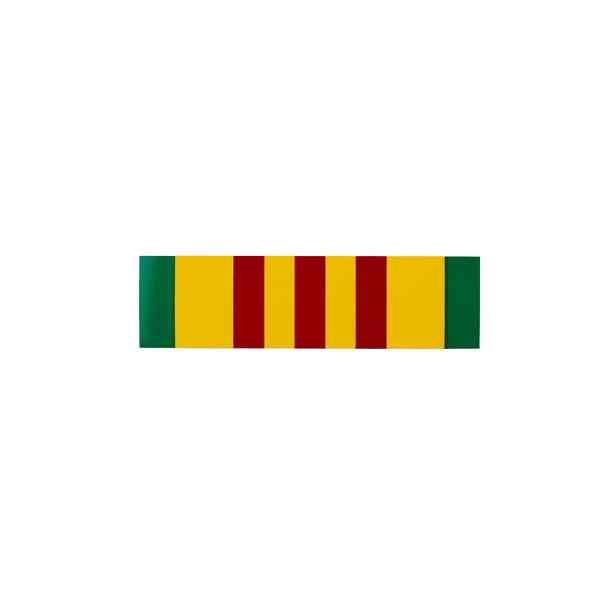
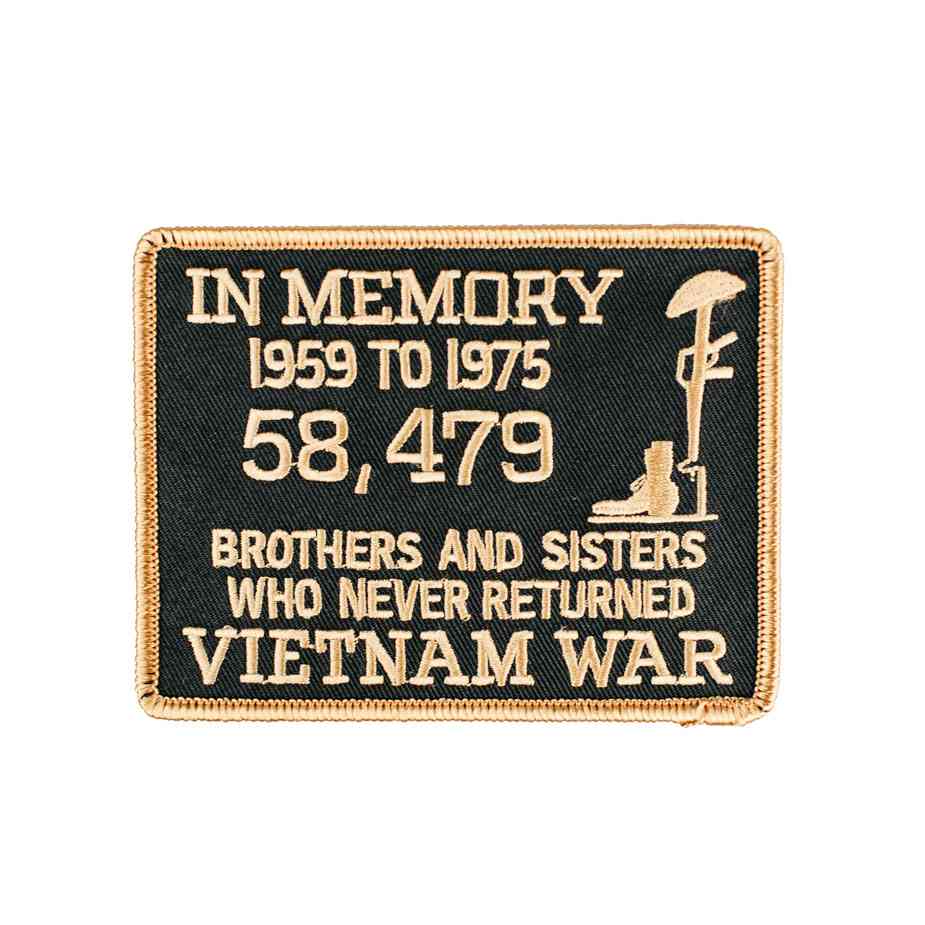
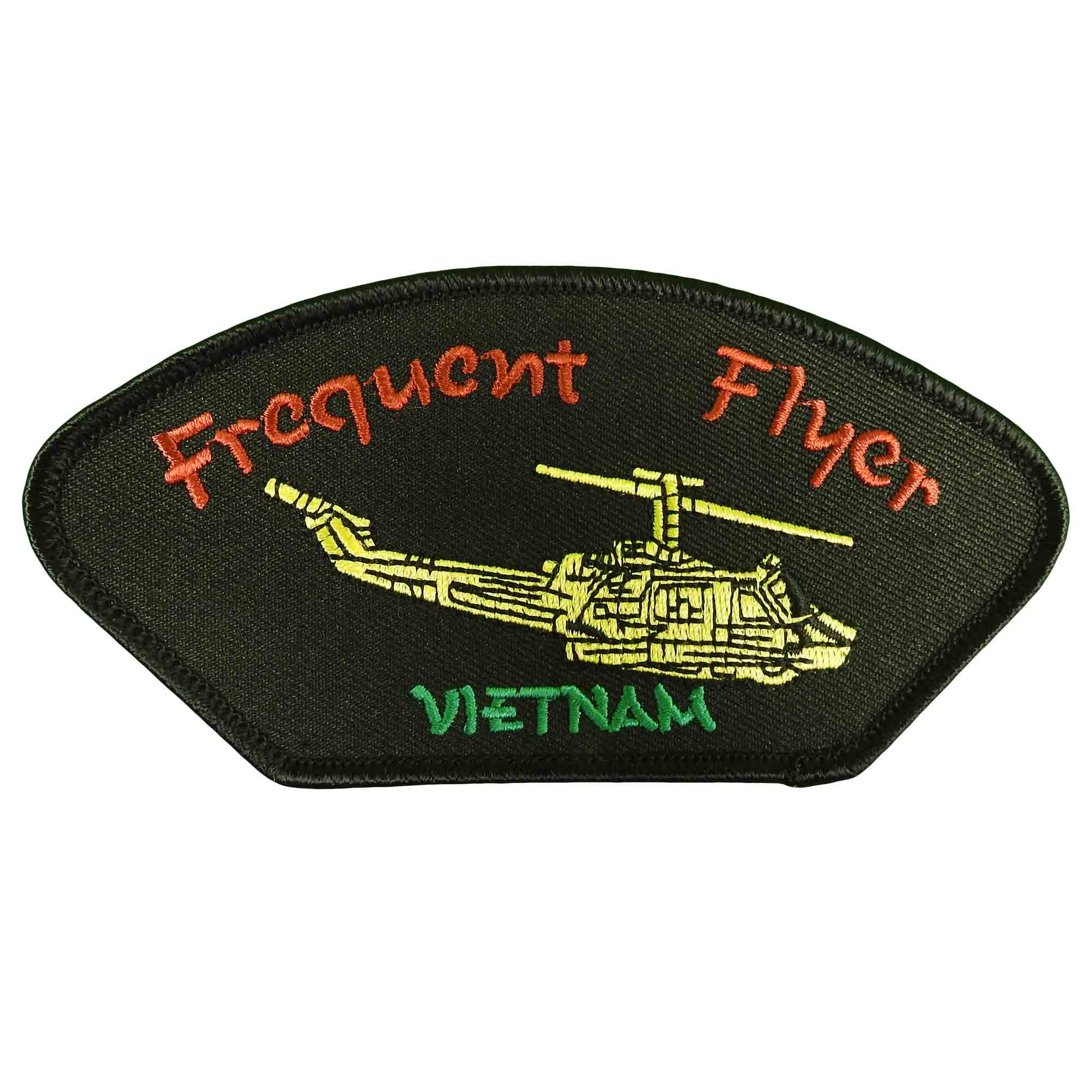
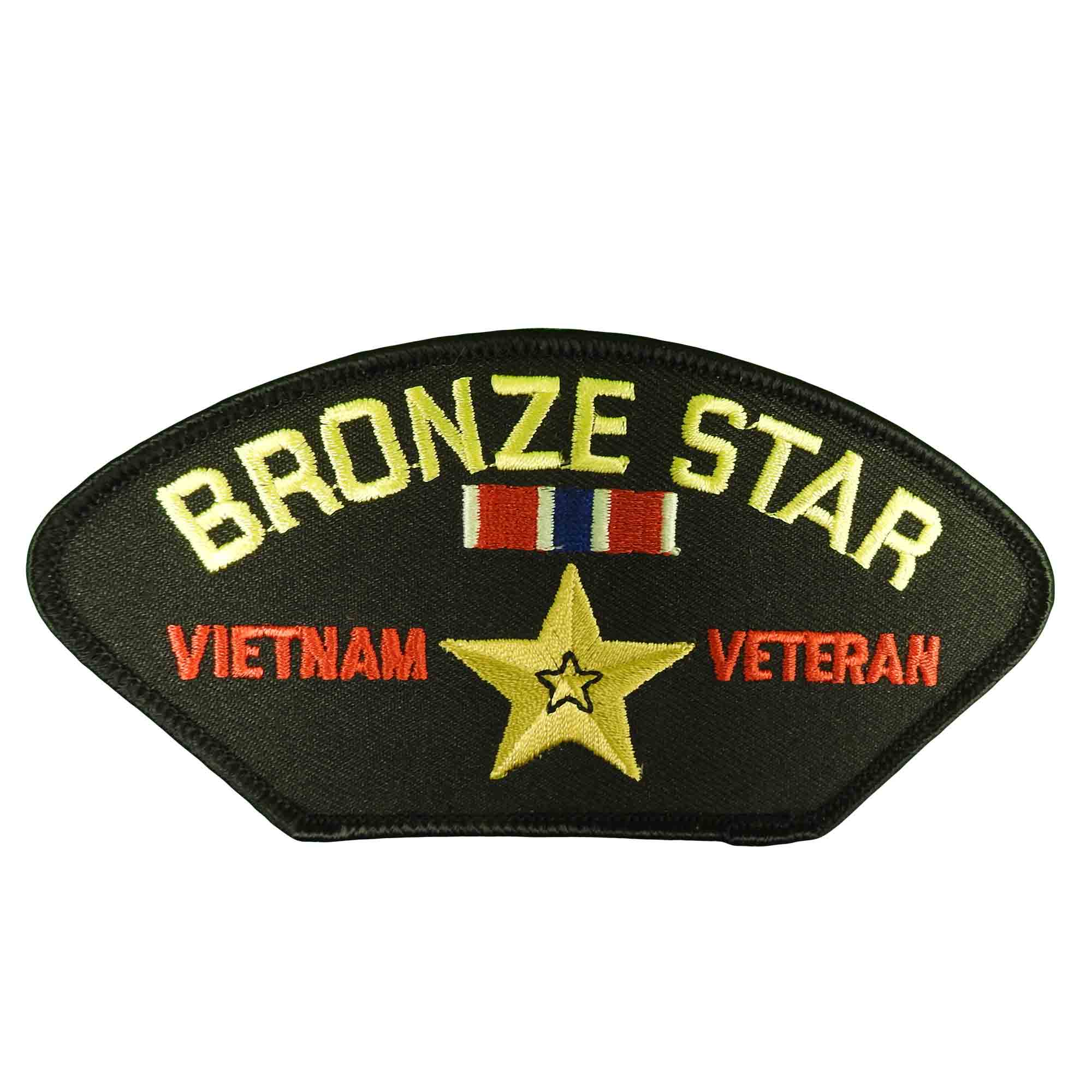
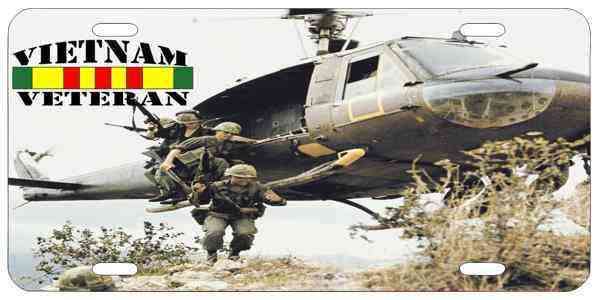
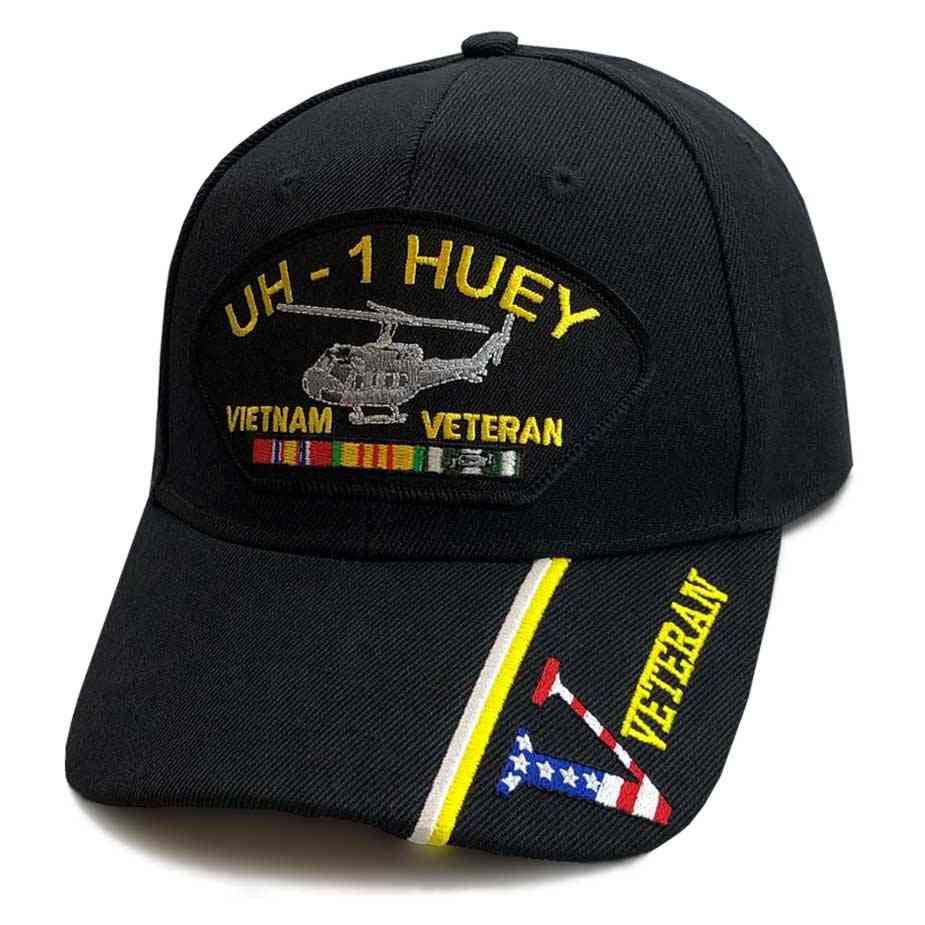
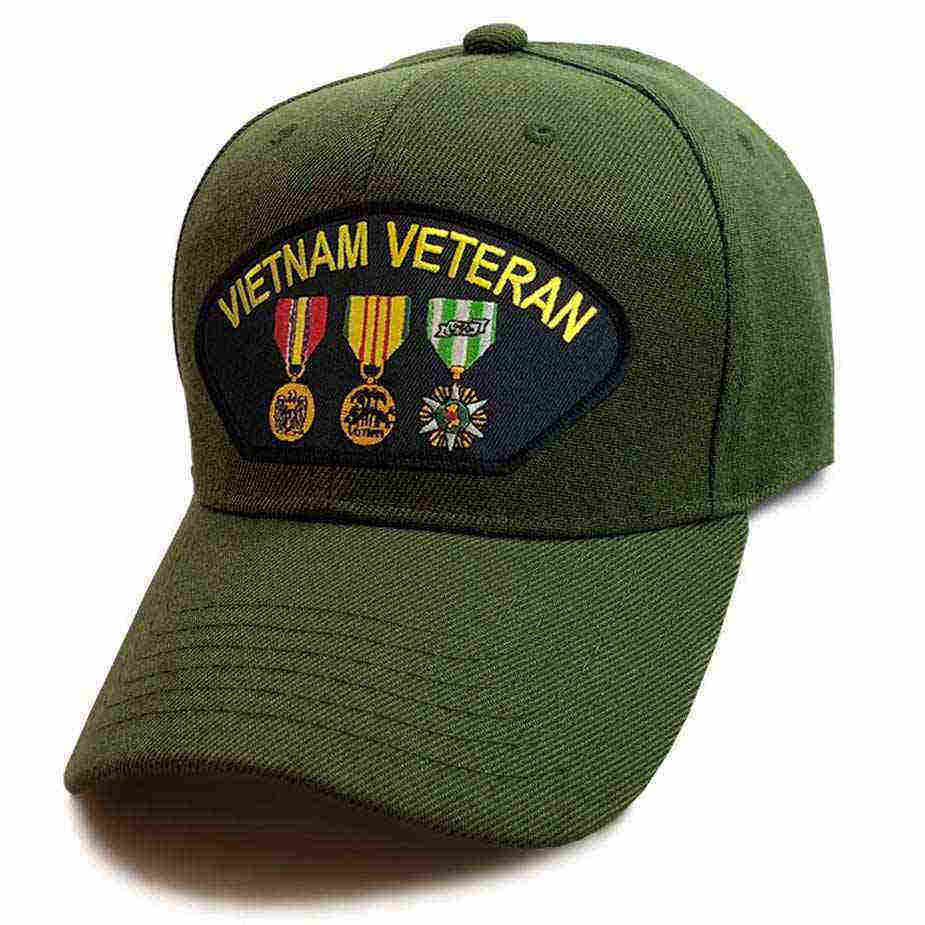
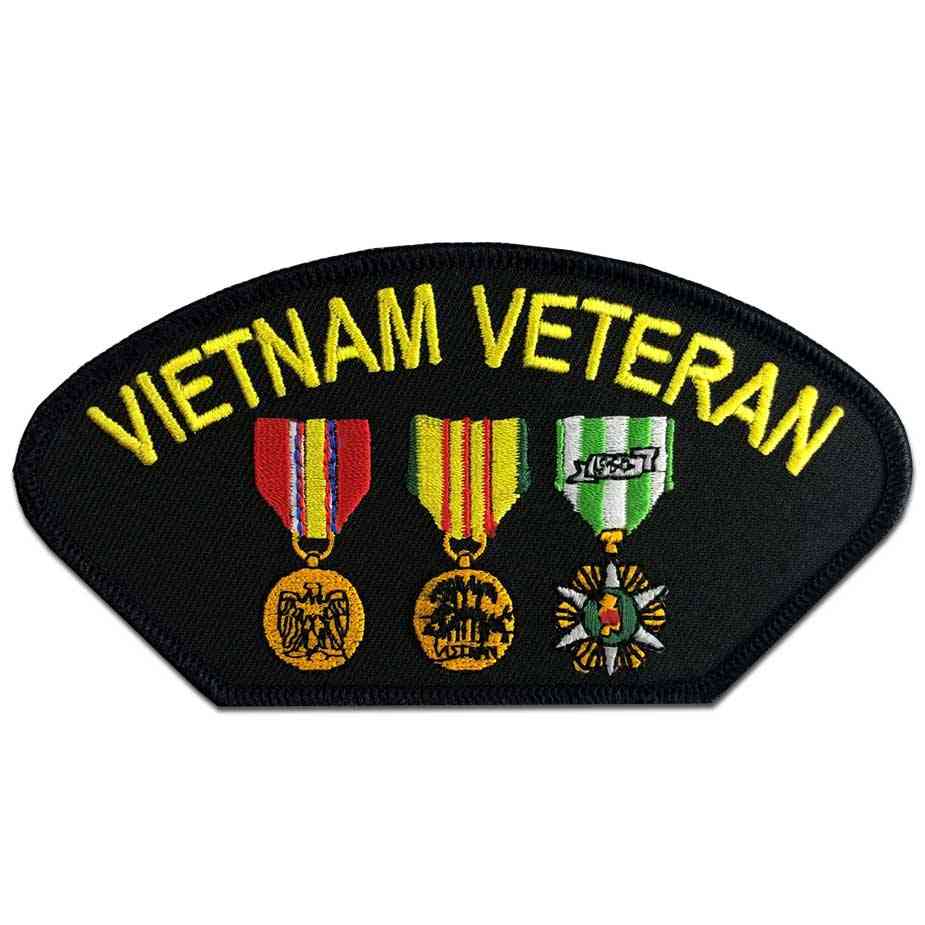
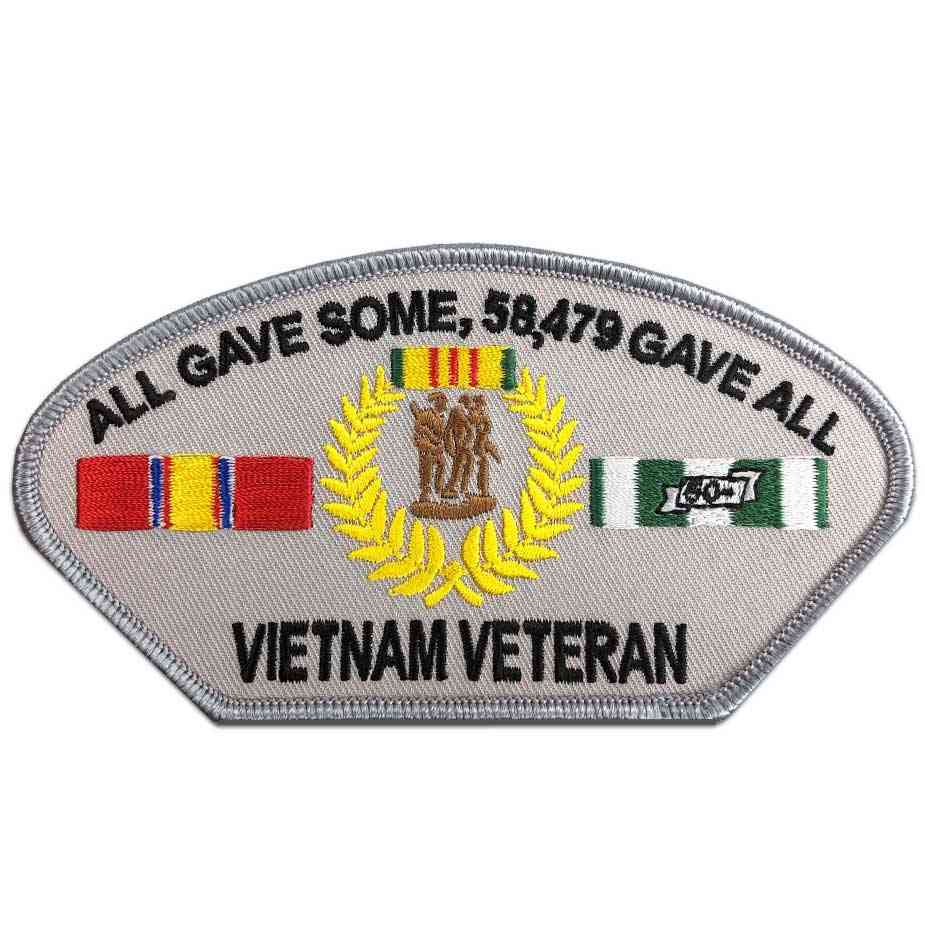
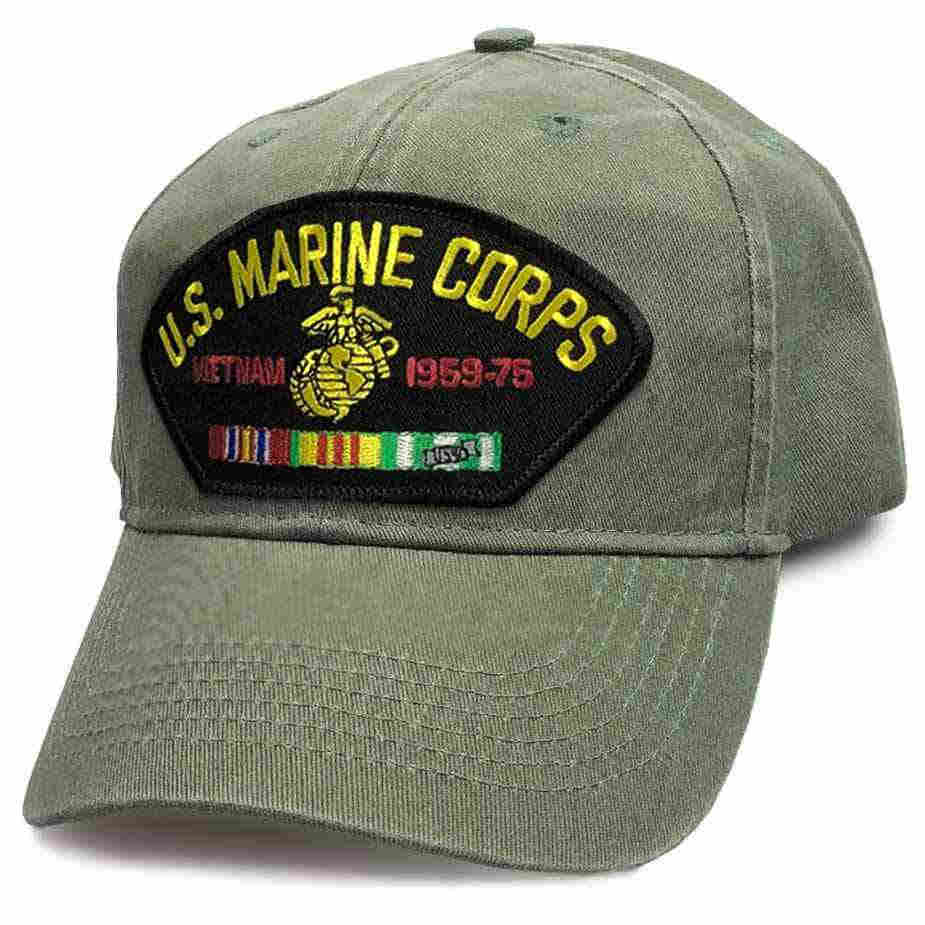
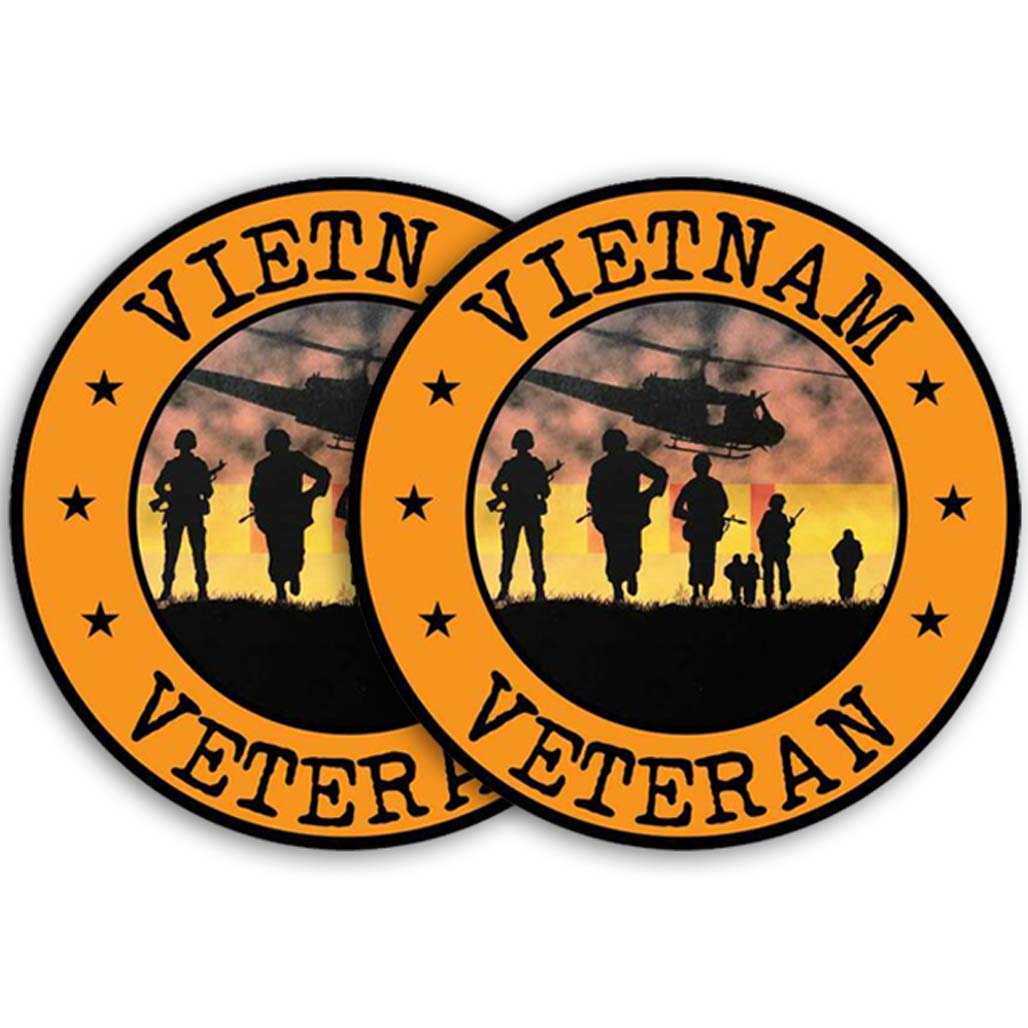
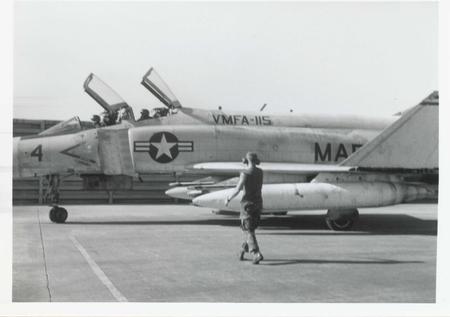
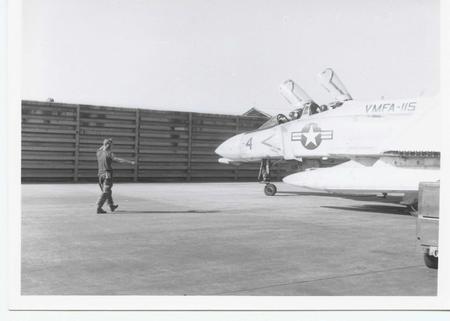
- Vietnam War Service: MAG-13 was deployed to Chu Lai Air Base in Vietnam and became known for its intensive support of Marine ground operations, flying thousands of combat sorties.
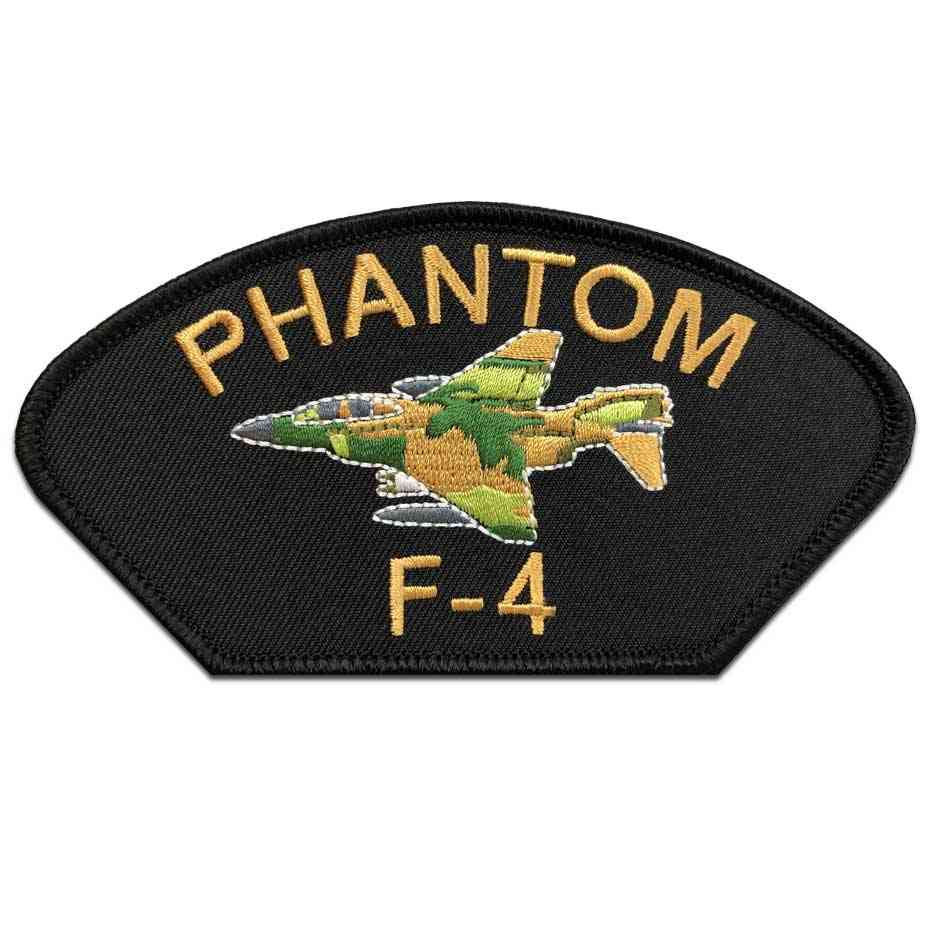
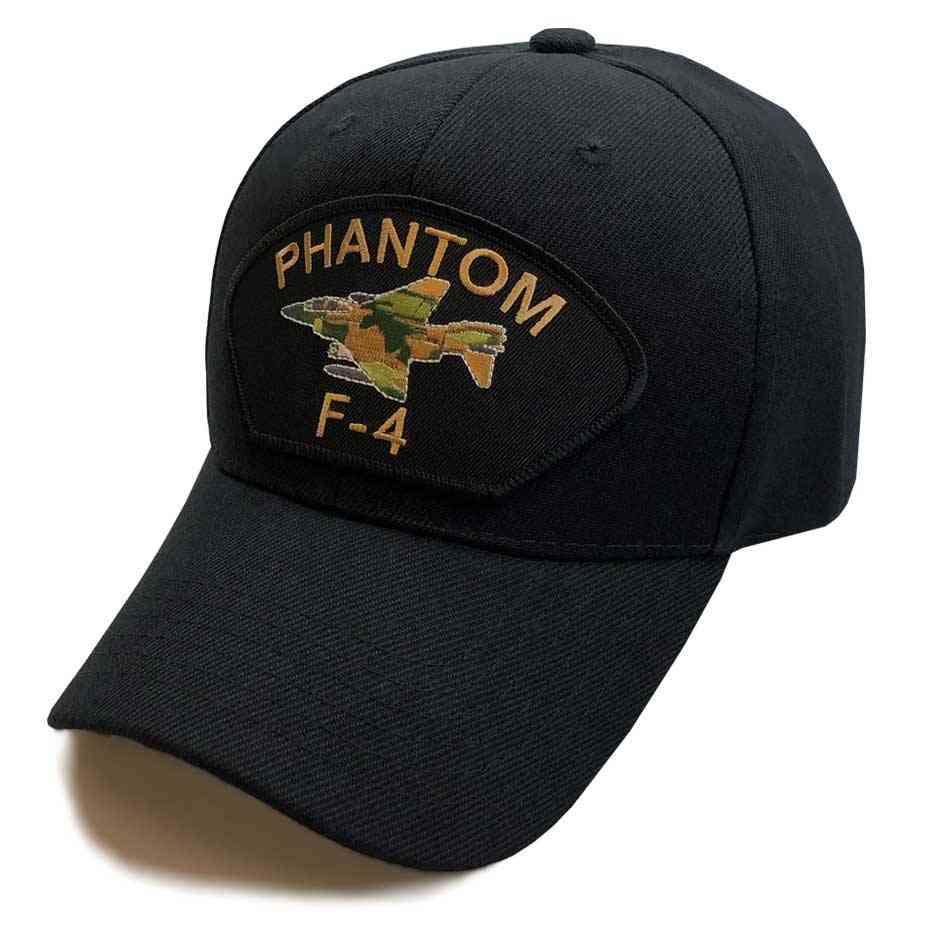
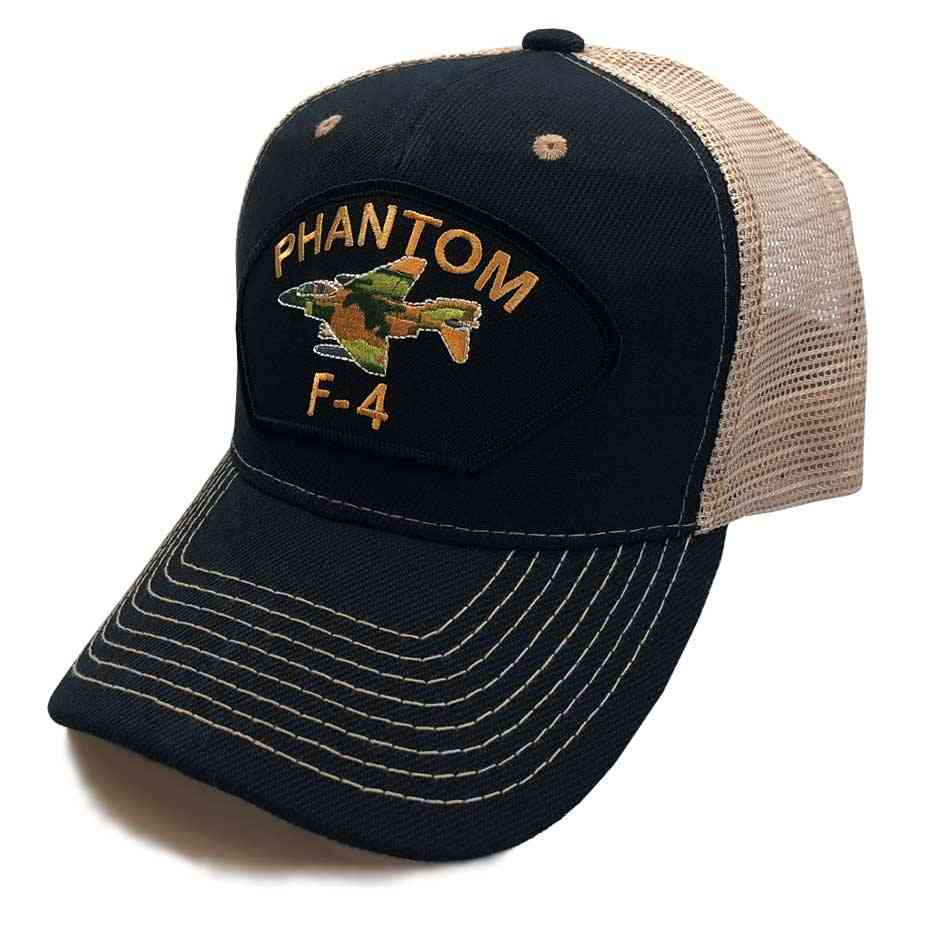
- Transition to Jets: Over its history, MAG-13 has flown a variety of aircraft, transitioning from propeller-driven planes such as the F4U Corsair to jets like the F-4 Phantom II and later the AV-8B Harrier II.
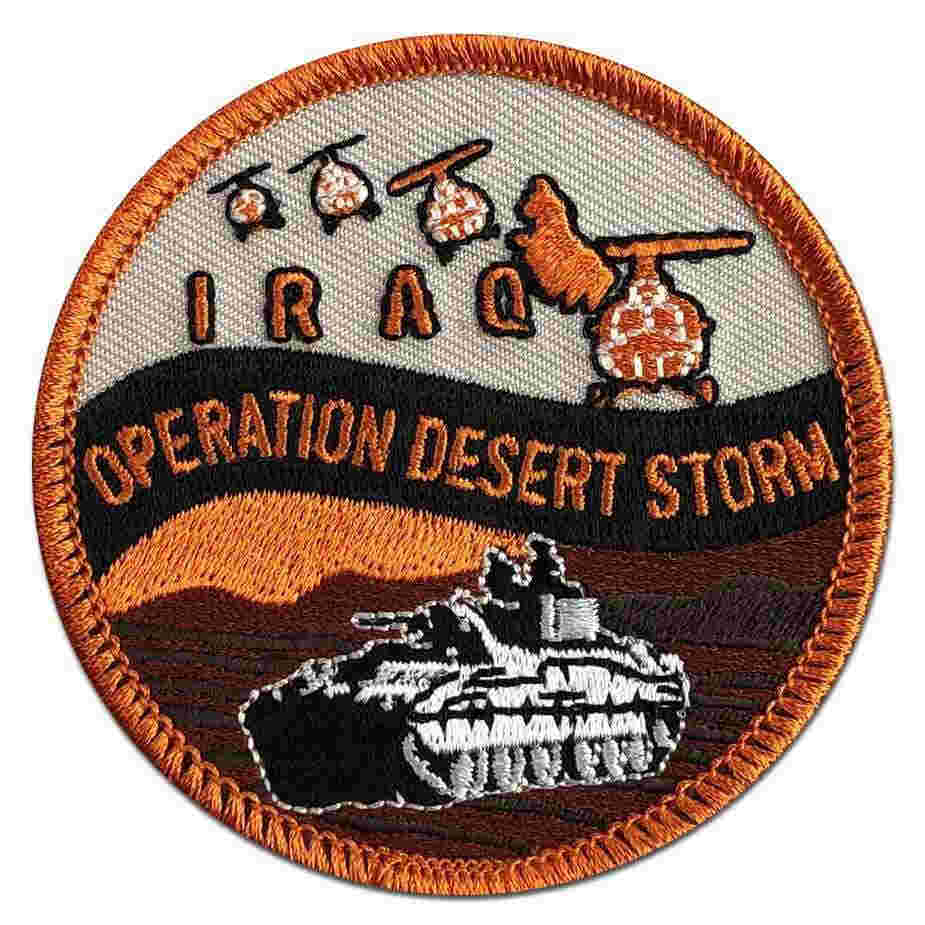
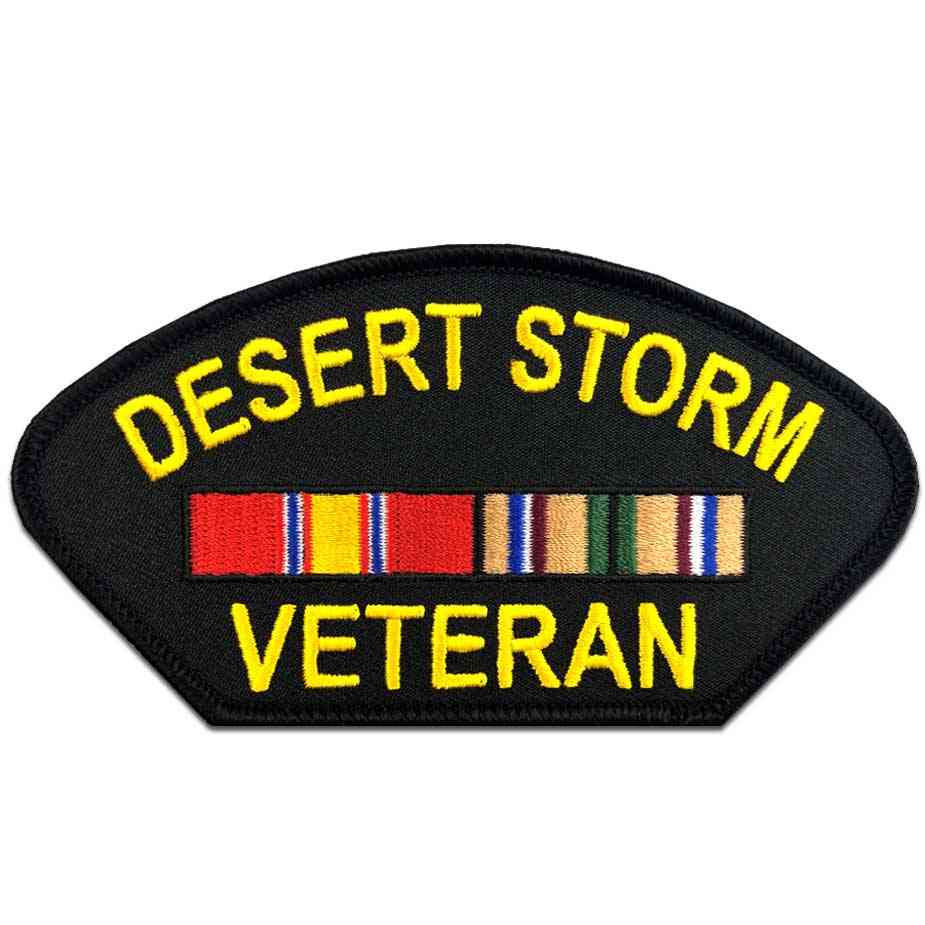
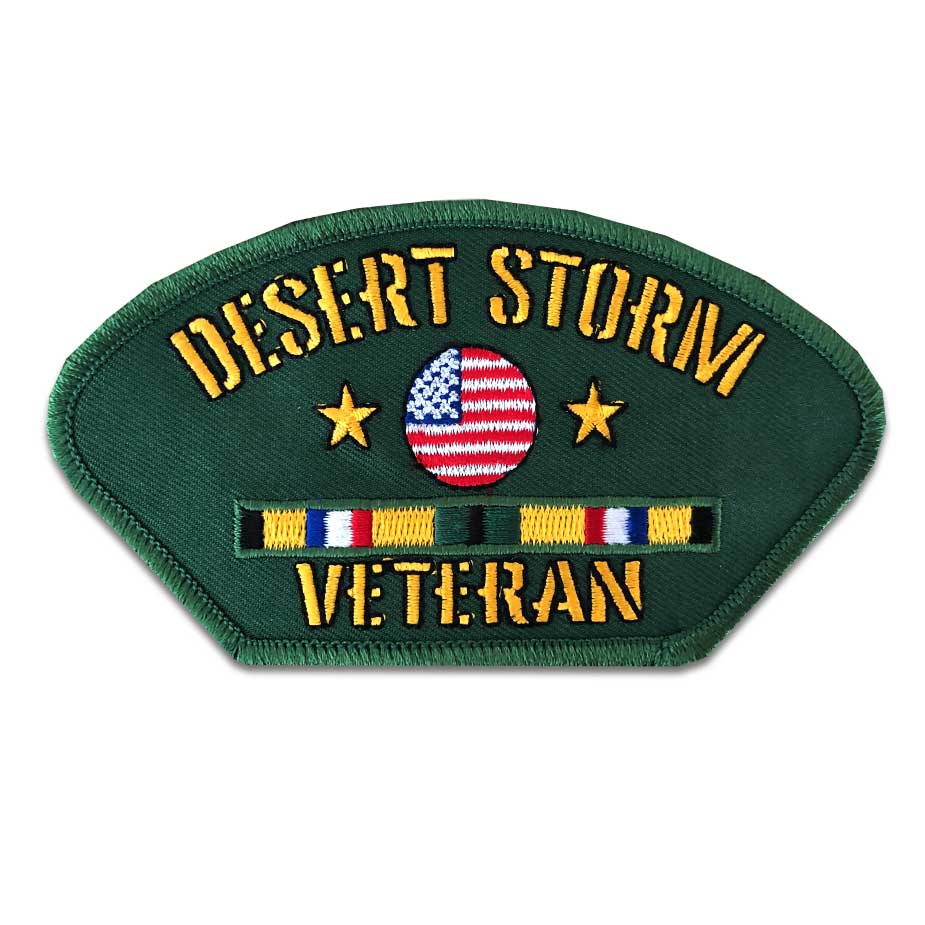
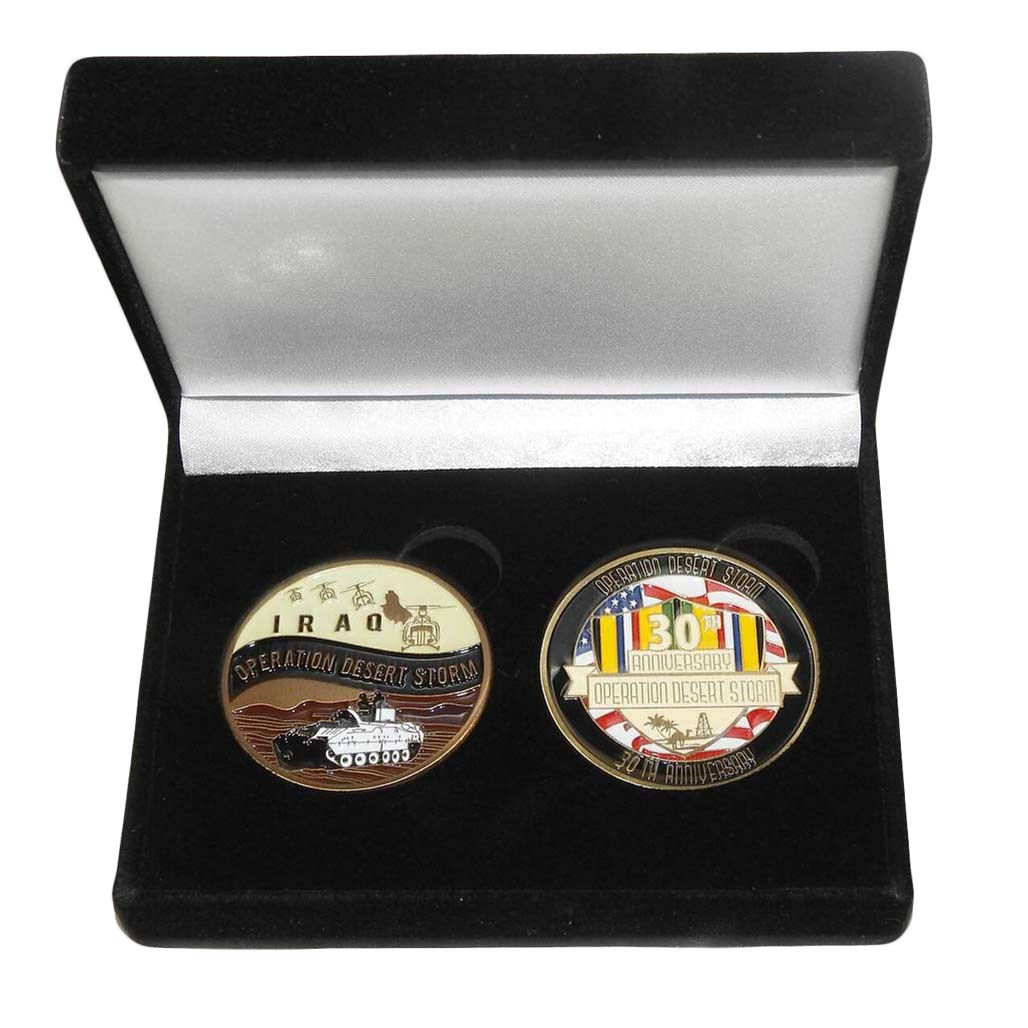
- Operation Desert Storm: MAG-13 played a crucial role during Operation Desert Storm in 1991, deploying AV-8B Harrier squadrons to provide close air support for coalition ground forces.
- Home Base at MCAS Yuma: Today, MAG-13 is based at Marine Corps Air Station Yuma, Arizona, a premier training location for Marine aviation, particularly for its Harrier and F-35 squadrons.
- Harrier Vertical Takeoff: MAG-13 was among the first Marine units to operate the AV-8B Harrier II, a unique jet capable of vertical/short takeoff and landing, revolutionizing Marine Corps air support capabilities.
- Modernization with the F-35B: As part of the Marine Corps' transition to fifth-generation fighters, MAG-13 has integrated the F-35B Lightning II, making it one of the most advanced Marine aviation units today.
- Distinguished Unit Awards: Over its history, MAG-13 and its squadrons have earned multiple unit commendations and awards for valor and exceptional performance in combat operations.