






--42795.jpg)


















ABOUT US Army Medical Depot Okinawa
- Post-WWII Establishment: The US Army Medical Depot in Okinawa was established shortly after World War II to provide medical supply support to US forces occupying Japan and to serve as a strategic medical logistics hub in the Pacific.
- Korean War Support: During the Korean War (1950-1953), the depot played a crucial role in supplying medical equipment, pharmaceuticals, and blood products to frontline units, saving countless lives.
- Vietnam War Operations: The depot served as the main logistical base for medical supplies destined for US forces in Vietnam, earning a reputation for rapid and accurate delivery under tight deadlines.
- Cold War Readiness: Throughout the Cold War, the depot maintained large stockpiles of medical supplies on Okinawa, ready to support US and allied forces in case of conflict with the Soviet Union or regional adversaries.
- Innovation in Medical Logistics: The depot was an early adopter of automated inventory control systems, reducing waste and ensuring critical items were always in stock.
- Typhoon Resilience: Despite frequent typhoons hitting Okinawa, the depot maintained continuous operations, developing disaster-resistant storage methods and emergency response protocols.
- Multinational Cooperation: The depot often collaborated with Japanese Self Defense Forces and other allied militaries in the Pacific, sharing resources and expertise for joint humanitarian and disaster relief missions.
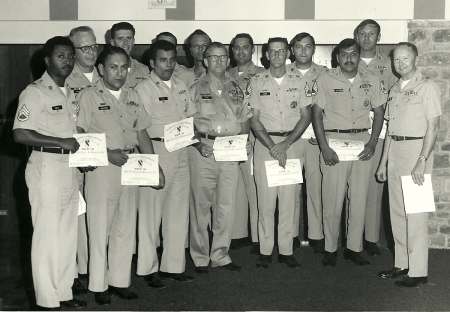
- Medical Training Center: The depot hosted regular training for Army medical logistics personnel, including classes in cold chain management, medical materiel handling, and field hospital setup.
- Community Health Initiatives: Personnel from the depot frequently participated in medical outreach programs for local Okinawan communities, providing vaccinations, health education, and disaster aid.
- Legacy and Transformation: As US military needs evolved, the depot's mission and structure changed, integrating into broader logistics networks, but its legacy persists in the ongoing medical support operations on Okinawa and throughout the Pacific.