
















-Korea.jpg)



ABOUT 74th FAD
- Formation and Purpose: The 74th Field Artillery Detachment (FAD) was established during the Cold War to support NATO's nuclear artillery capabilities in Europe.
- US Army Unit: The unit was part of the United States Army, specifically tasked with the custody and control of nuclear warheads for use by allied artillery units.
- Stationed in Germany: The 74th FAD was primarily stationed in West Germany, a key location during the Cold War due to its proximity to the Warsaw Pact nations.
- Support to Belgian Forces: The detachment was closely associated with Belgian artillery units, providing technical expertise and security for nuclear weapons assigned to Belgian Honest John and later Lance missile systems.
- Security and Secrecy: Operations were highly classified, with strict protocols for the handling, storage, and potential use of nuclear weapons.
- Honest John and Lance Missiles: The unit's main role was related to the MGM-29 Honest John and later the MGM-52 Lance missile systems—both capable of delivering tactical nuclear warheads.
- Dual-Key System: Use of nuclear weapons required both US and Belgian authorization, ensuring joint control and preventing unilateral action by any one nation.
- Disbandment: The 74th FAD was inactivated in the early 1990s as part of broader post-Cold War reductions in US and NATO nuclear forces in Europe.
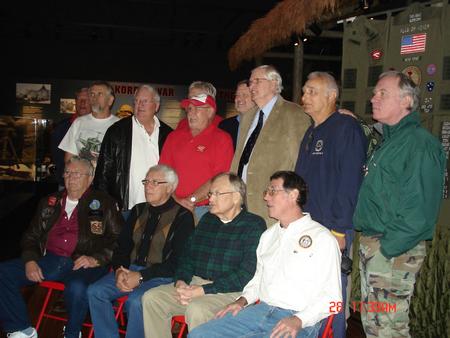
- Commemoration: Veterans of the 74th FAD have held reunions and maintain a strong sense of camaraderie, preserving the legacy of their unique service.
- Legacy: The unit’s history reflects the complexities of NATO nuclear sharing arrangements and the vital role of specialized support units during the Cold War era.