
Opening branch overview
Building the branch home surface
Loading branch highlights, featured unit context, and gallery moments.
Overview
Members
Units
Building the branch home surface
Loading branch highlights, featured unit context, and gallery moments.
Building the branch units surface
Loading unit filters, rankings, and the branch unit grid.

U.S. Army•15 members
Relive and share the memories of your service-time with your brothers and sisters in arms today. VetFriends.com can help you reconnect.
Did you proudly serve in the Headquaraters, US Army Vietnam?
Are you looking for someone who is or was in the Headquaraters, US Army Vietnam?
Do you have Headquaraters, US Army Vietnam photos you'd like to share?
Then join a community with your brothers and sisters of the Headquaraters, US Army Vietnam.
Headquarters, US Army Vietnam (USARV) was established in 1965 to oversee United States Army operations during the Vietnam War. USARV served as the principal Army command in the theater, coordinating logistics, administration, and combat operations for all Army units in Vietnam. Headquartered at Long Binh, near Saigon, USARV played a pivotal role in supporting the buildup of American military forces and the execution of major campaigns, including the Tet Offensive. The headquarters remained active until 1972, when it was inactivated following the drawdown of U.S. forces and the transition to South Vietnamese control under the Vietnamization policy.
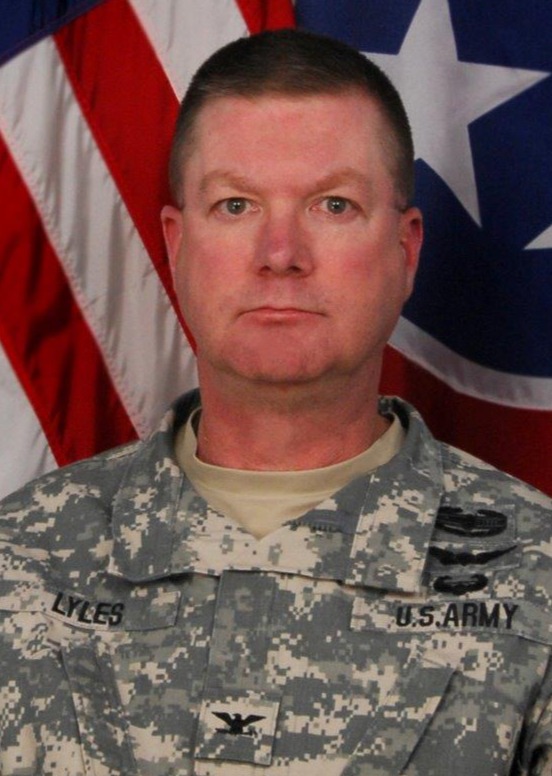
JFHQ • U.S. Army • 2015
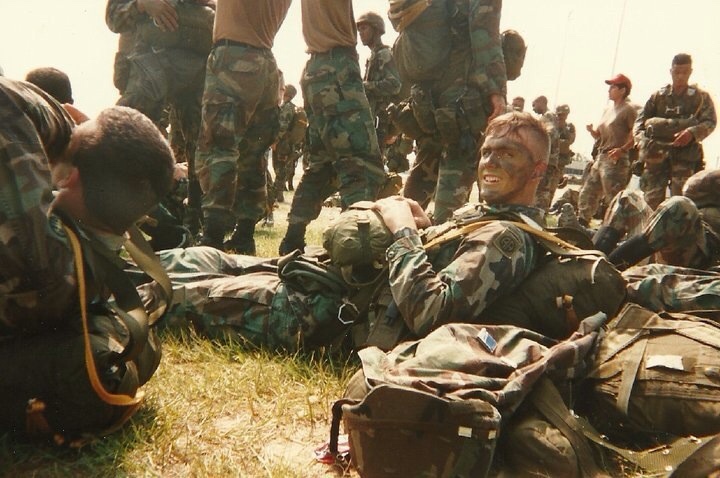
U.S. Army

U.S. Army
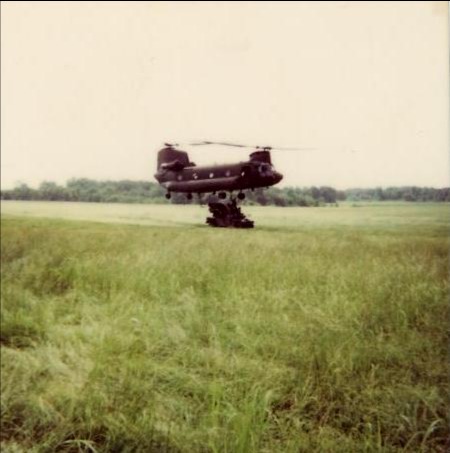
2-44 ADA FT CAMPBELL KY • U.S. Army • 1999