
Opening branch overview
Building the branch home surface
Loading branch highlights, featured unit context, and gallery moments.
Overview
Members
Units
Building the branch home surface
Loading branch highlights, featured unit context, and gallery moments.
Building the branch units surface
Loading unit filters, rankings, and the branch unit grid.

2 members•1 unit
Relive and share the memories of your service-time with your brothers and sisters in arms today. VetFriends.com can help you reconnect.
Did you proudly serve in the Deep Submergence Unit?
Are you looking for someone who is or was in the Deep Submergence Unit?
Do you have Deep Submergence Unit photos you'd like to share?
Then join a community with your brothers and sisters of the Deep Submergence Unit.
Branch
U.S. Navy
Members
2
The **Deep Submergence Unit (DSU)** is a specialized component of the United States Navy focused on undersea rescue and recovery operations. Established in 1971 at Naval Air Station North Island, California, the DSU was created in response to the loss of the submarine USS Thresher (SSN-593) and the need for rapid deep-sea rescue capabilities. The unit has operated and maintained a variety of submersible vehicles, including the Deep Submergence Rescue Vehicle (DSRV), supporting both U.S. and allied submarine rescue missions worldwide. Over the decades, the DSU has played a critical role in advancing deep-sea technology and ensuring the safety of submariners through rigorous training and international collaboration.

1st medical battalion 1st fssg • U.S. Navy • 1983

U.S. Navy

U.S. Navy
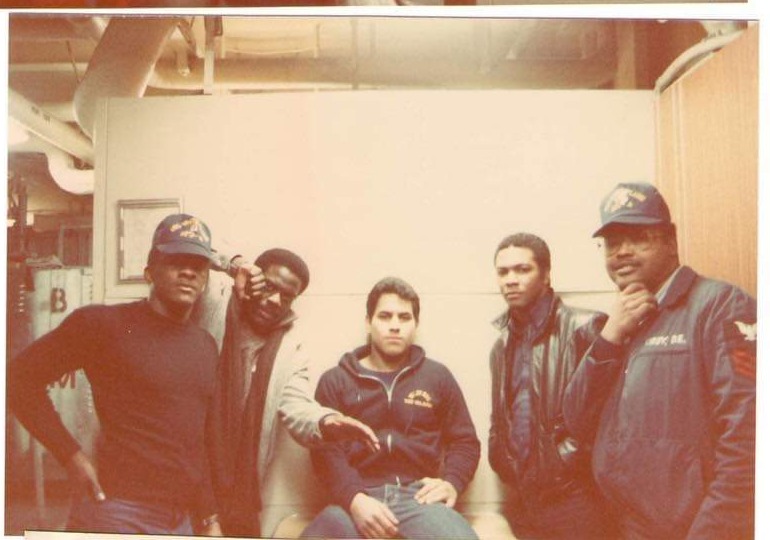
U.S. Navy