Opening branch overview
Building the branch home surface
Loading branch highlights, featured unit context, and gallery moments.
Overview
Members
Units
Building the branch home surface
Loading branch highlights, featured unit context, and gallery moments.
Building the branch units surface
Loading unit filters, rankings, and the branch unit grid.

9 members•1 unit
Relive and share the memories of your service-time with your brothers and sisters in arms today. VetFriends.com can help you reconnect.
Did you proudly serve in the 18th USASA - Bad Aibling Germany?
Are you looking for someone who is or was in the 18th USASA - Bad Aibling Germany?
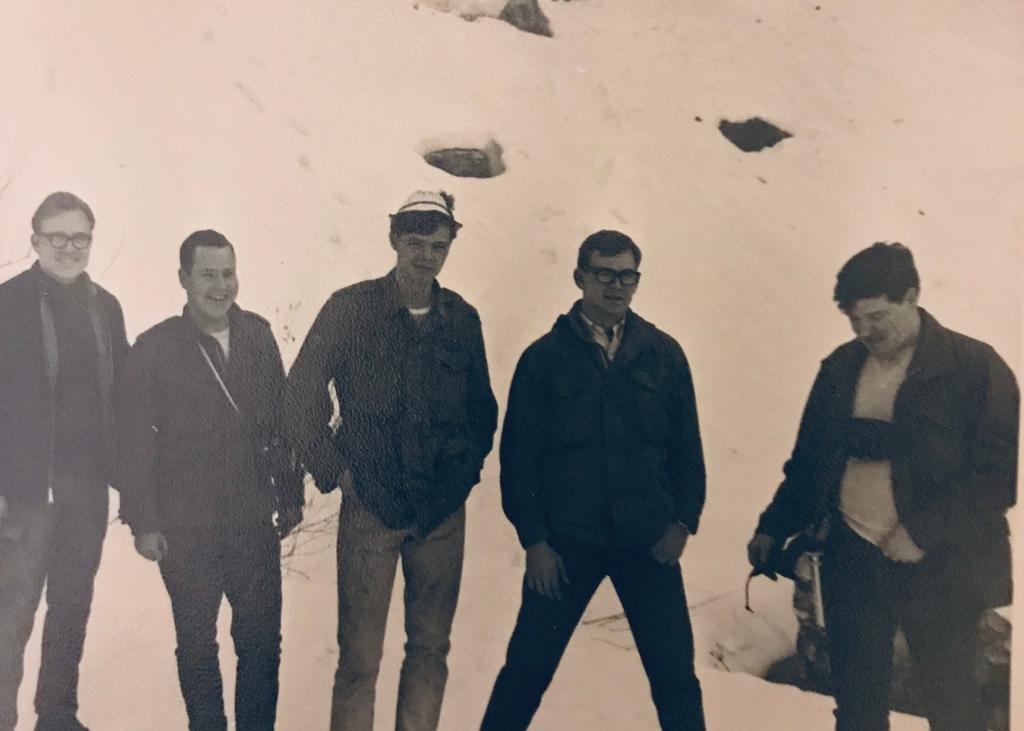
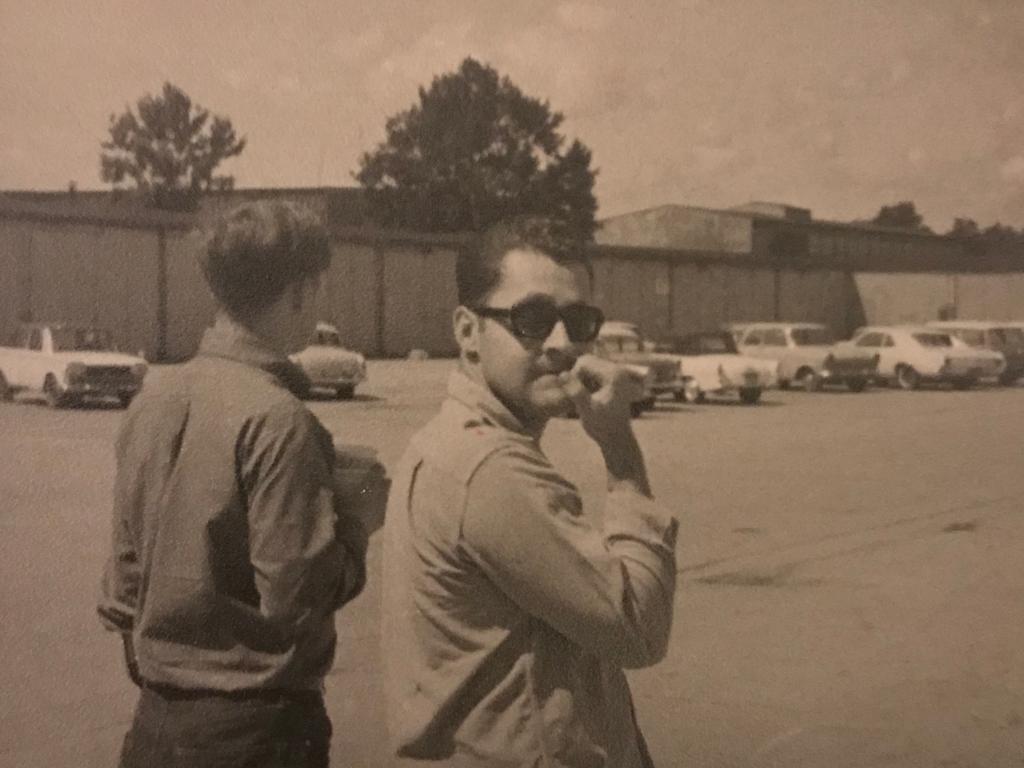
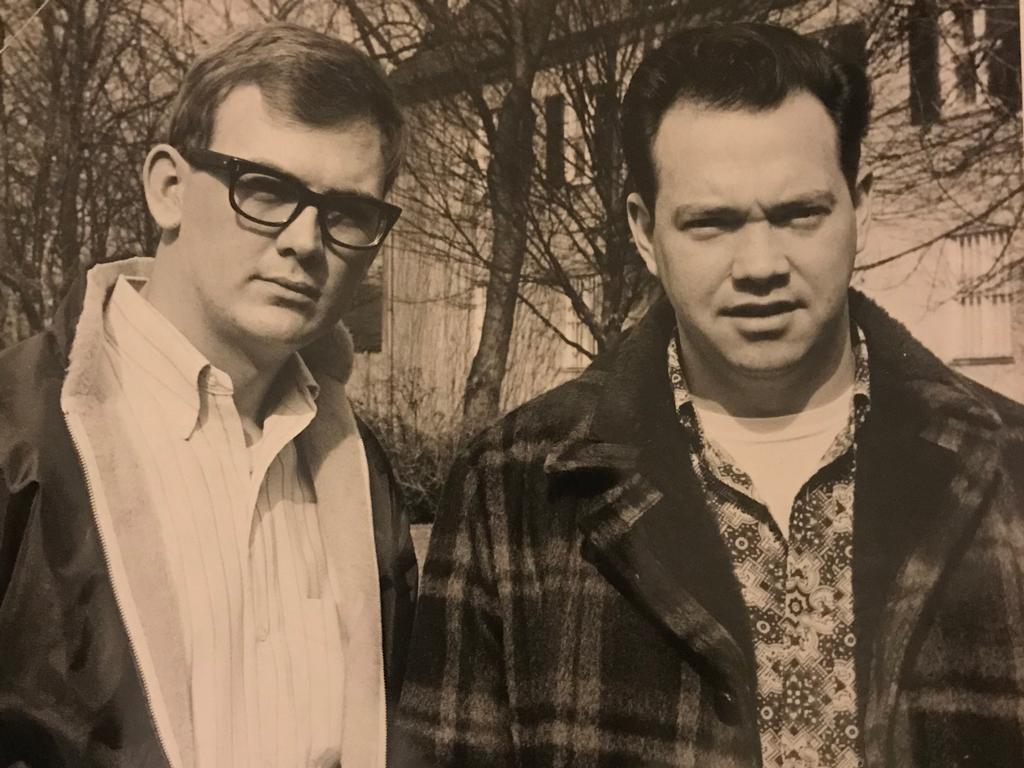
Do you have 18th USASA - Bad Aibling Germany photos you'd like to share?
Then join a community with your brothers and sisters of the 18th USASA - Bad Aibling Germany.
Branch
U.S. Army
Members
9
The 18th USASA Field Station, located in Bad Aibling, Germany, was a key U.S. Army Security Agency (USASA) signals intelligence unit during the Cold War. Established in the 1950s, the unit played a crucial role in intercepting and analyzing communications from the Eastern Bloc, contributing significantly to U.S. and NATO intelligence efforts. The station operated advanced listening equipment and worked closely with allied intelligence services. The 18th USASA remained active at Bad Aibling until the site's closure and realignment in the 1990s, marking the end of an era in U.S. military intelligence operations in Germany.