




























ABOUT 81st Airborne Artillery
- Origins: The 81st Airborne Artillery traces its lineage to the 81st Field Artillery, which was first constituted during World War I, establishing its roots in U.S. Army artillery history.
- World War II Service: The unit was activated as part of the 101st Airborne Division and famously participated in Operation Overlord (D-Day), providing crucial fire support during the Normandy landings.
- Bastogne Heroics: During the Battle of the Bulge, the 81st Airborne Artillery played a key role in defending Bastogne, firing thousands of rounds to repel German advances and earning a Presidential Unit Citation.
- Glider Artillery: Unique among artillery units, the 81st initially deployed with glider-borne howitzers, landing behind enemy lines to support airborne infantry in several major operations.
- Operation Market Garden: The battalion parachuted into the Netherlands in September 1944, supporting the advance to secure key bridges during the largest airborne operation in history.
- Decorations: The unit has received multiple commendations, including the French Croix de Guerre and the Belgian Fourragere, for its gallantry in European campaigns.
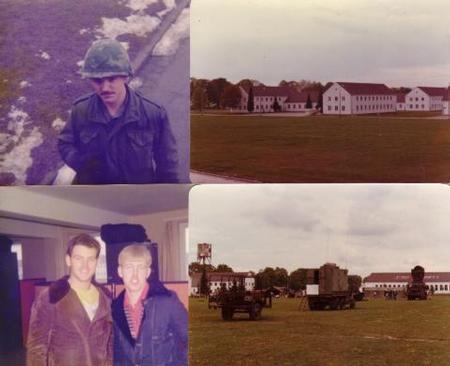
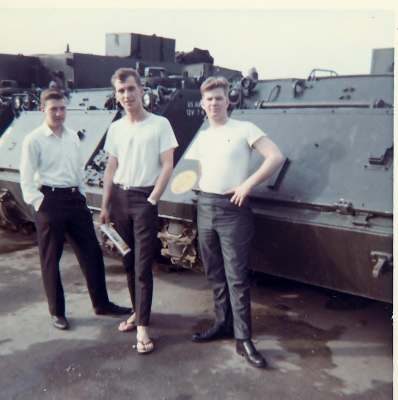
- Cold War Service: After WWII, the 81st was reactivated during the Cold War, adapting to new artillery technologies and serving as a deterrent in Europe as part of NATO forces.
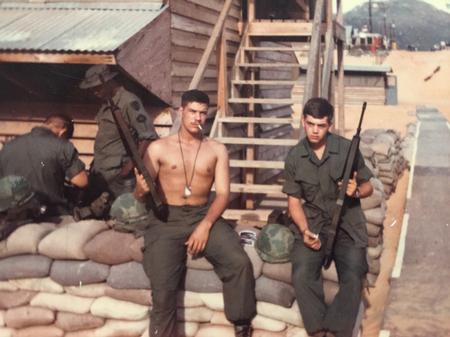
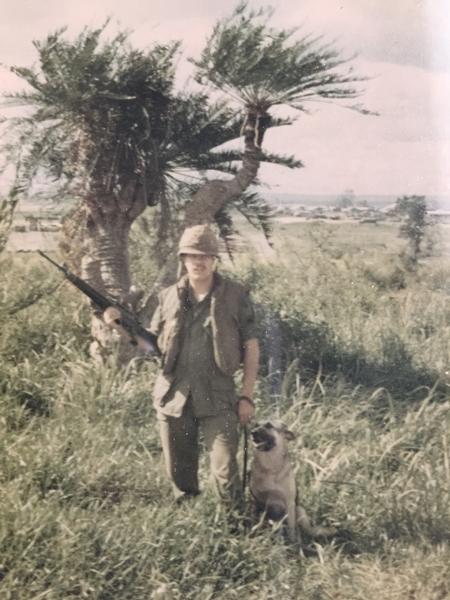
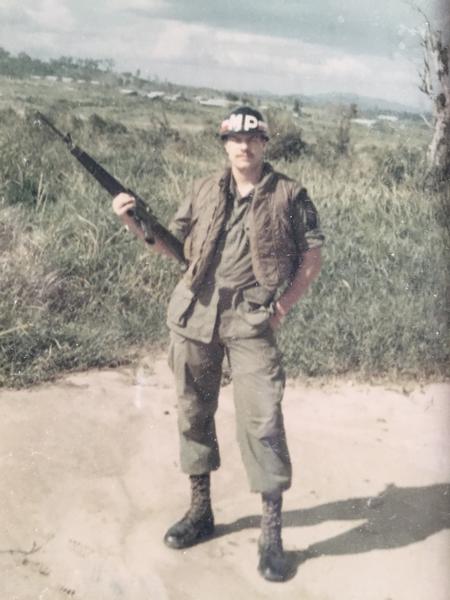
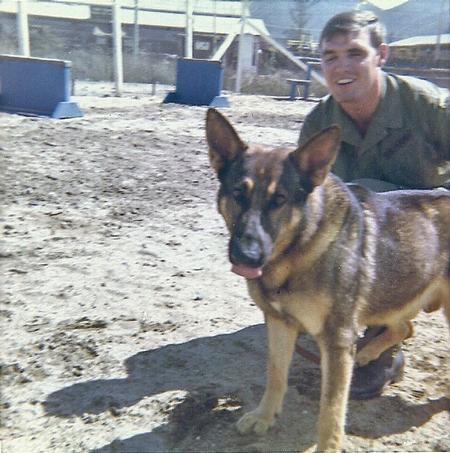
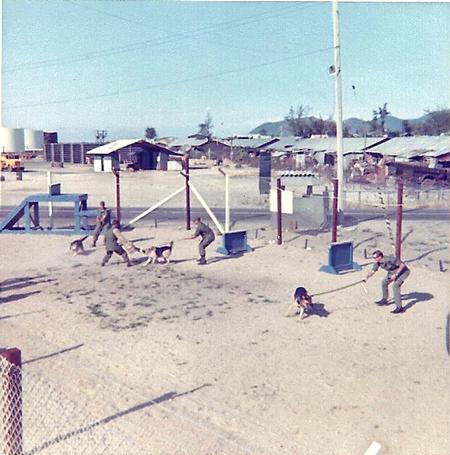
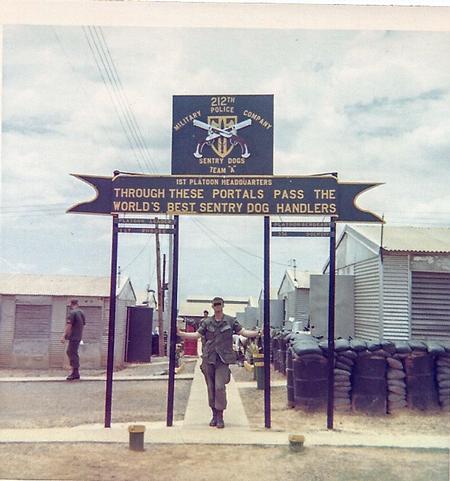
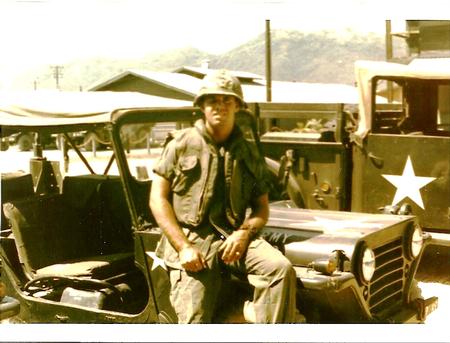
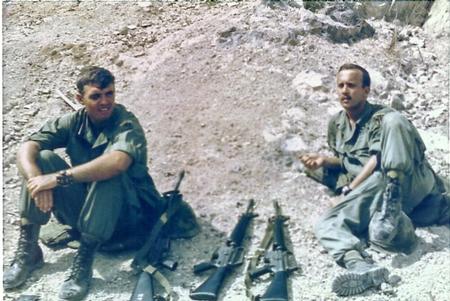
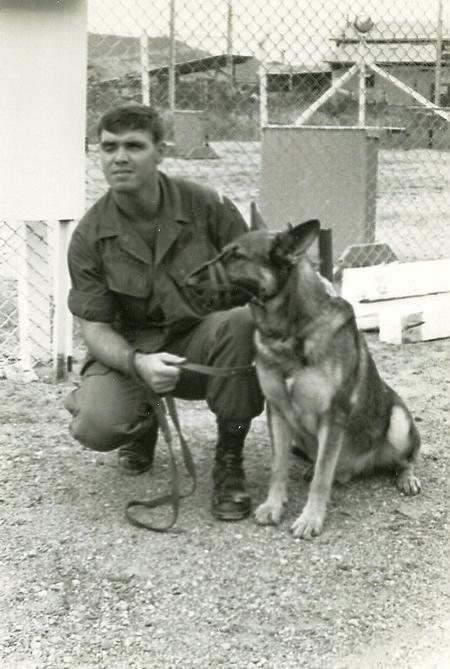
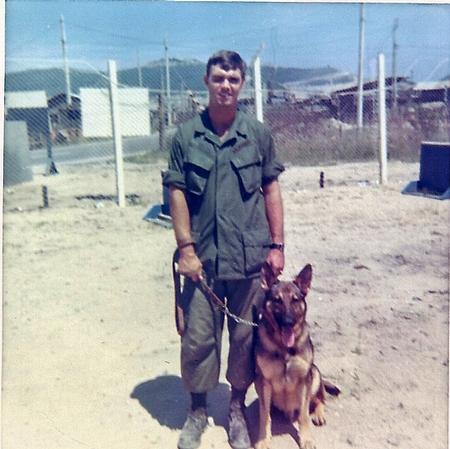
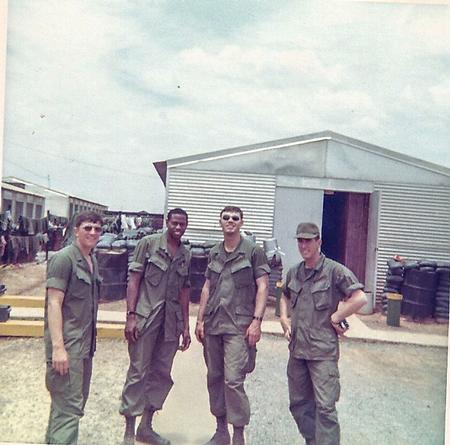
- Vietnam Era: Some elements of the 81st were reorganized and saw service in Vietnam, continuing their reputation for precise and rapid artillery support.
- Modern Legacy: Today, the traditions and honors of the 81st Airborne Artillery are carried on by successor units in the 101st Airborne Division Artillery, continuing their support of airborne operations.
- Veteran Stories: Veterans of the 81st have shared stories of ingenuity, such as improvising artillery positions under fire and using captured enemy ammunition to keep guns firing during supply shortages.