
Opening branch overview
Building the branch home surface
Loading branch highlights, featured unit context, and gallery moments.
Overview
Members
Units
Building the branch home surface
Loading branch highlights, featured unit context, and gallery moments.
Building the branch units surface
Loading unit filters, rankings, and the branch unit grid.
37 members•1 unit
Relive and share the memories of your service-time with your brothers and sisters in arms today. VetFriends.com can help you reconnect.
Did you proudly serve in the TAH-19 USNS Hospital Ship Mercy?
Are you looking for someone who is or was in the TAH-19 USNS Hospital Ship Mercy?
Do you have TAH-19 USNS Hospital Ship Mercy photos you'd like to share?
Then join a community with your brothers and sisters of the TAH-19 USNS Hospital Ship Mercy.
Branch
U.S. Navy
Members
37
TAH-19 USNS Mercy is a United States Navy hospital ship, commissioned in 1986 and operated by the Military Sealift Command. Originally built as an oil tanker, she was converted to serve as a mobile medical treatment facility, supporting both combat operations and humanitarian missions. Mercy’s notable deployments include Operation Desert Shield/Desert Storm, tsunami relief in Southeast Asia in 2004, and multiple Pacific Partnership missions delivering medical care to underserved regions. Capable of providing up to 1,000 hospital beds, USNS Mercy continues to play a vital role in both military readiness and global humanitarian assistance.
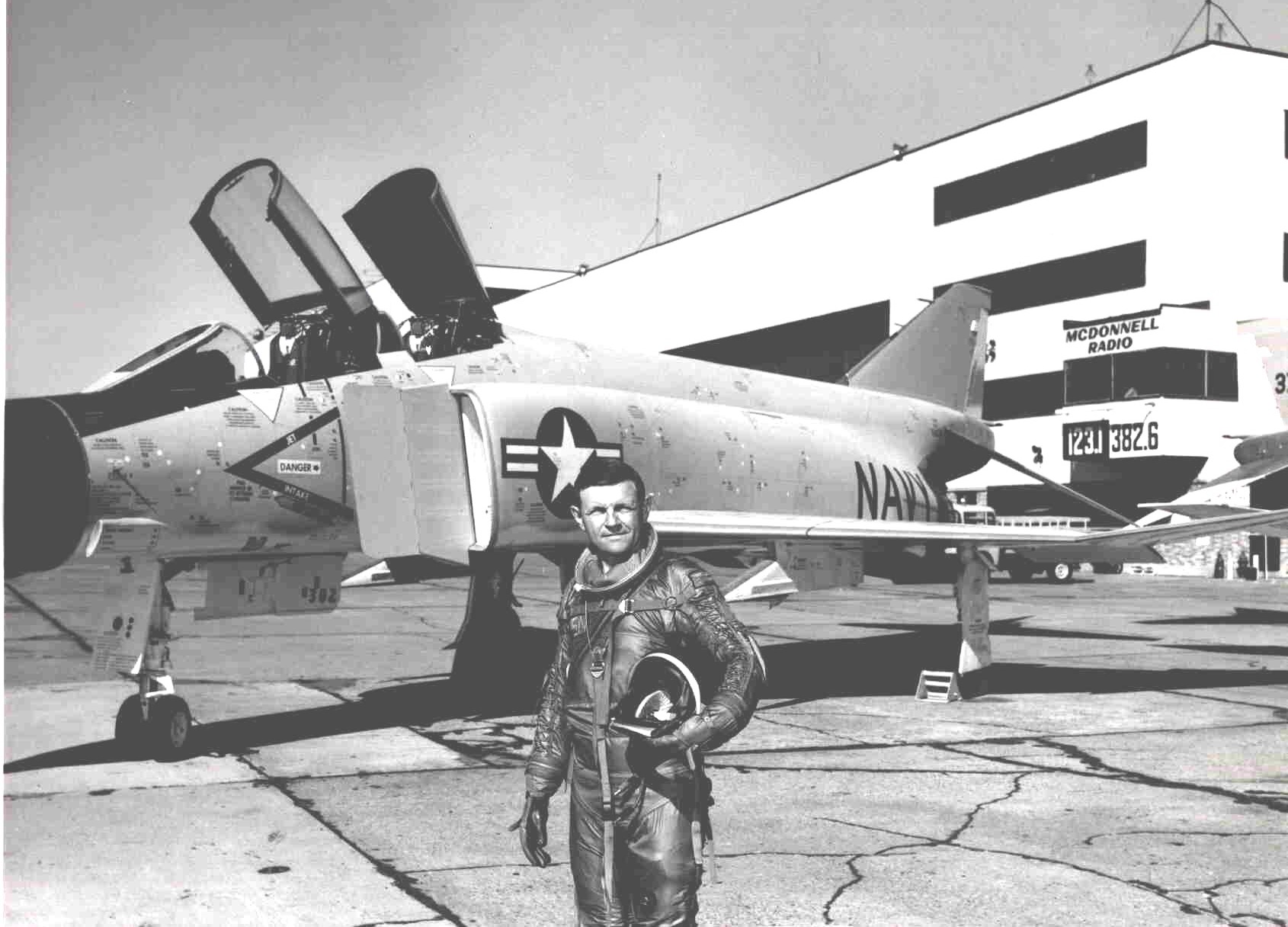
U.S. Navy • 1962
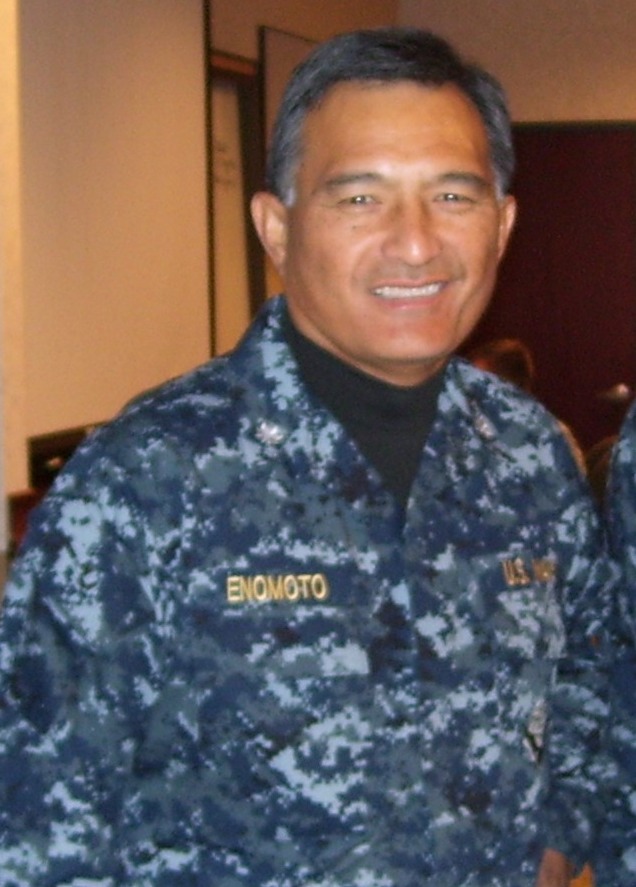
U.S. Navy • 2010
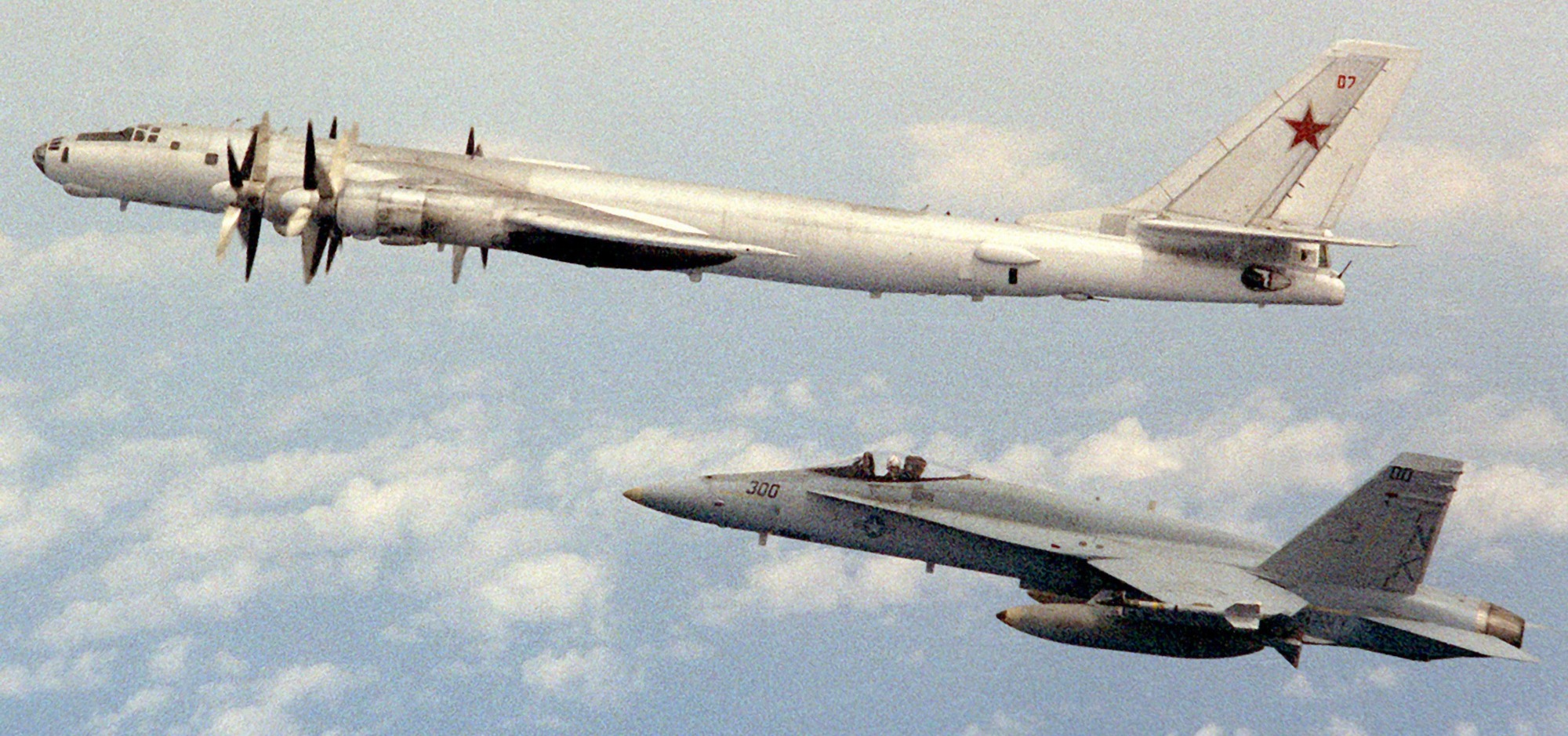
VFA-113 Stingers • U.S. Navy • 1985
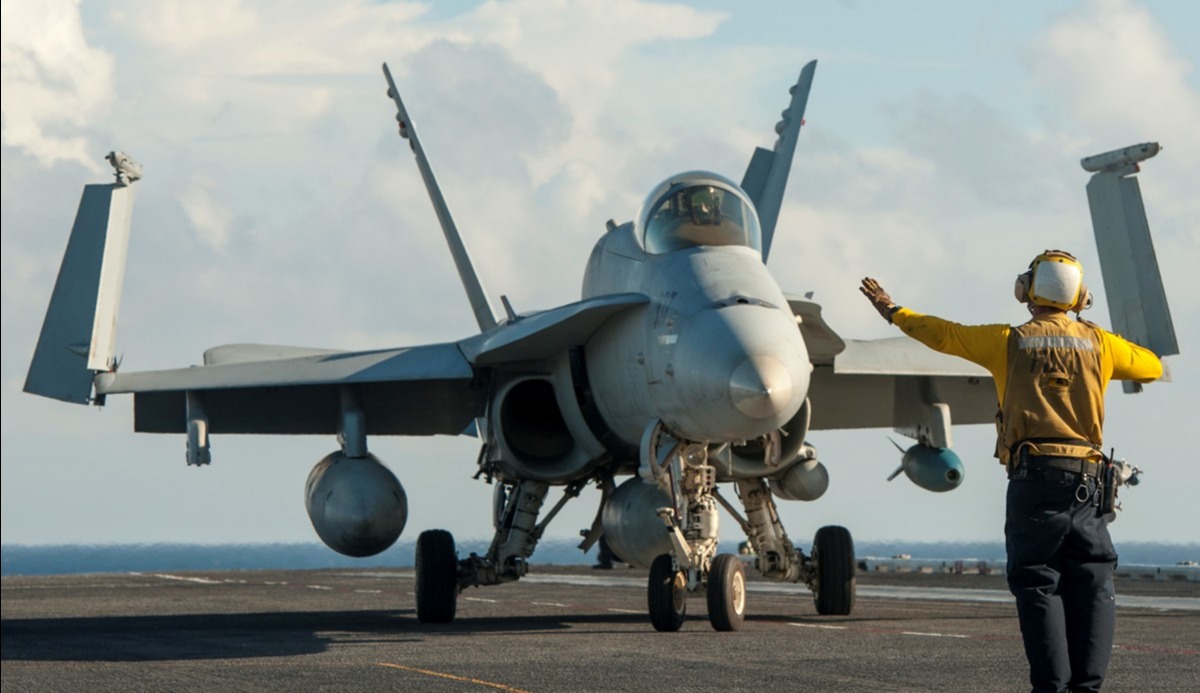
VFA-113 Stingers • U.S. Navy • 1985